Ultime news su A380, B777X, 330neo e B787


@vc-25b
Secondo me esiste un problema di fondo nell'analisi, e parto dal presupposto che tu sia piu' giovane di me (cosa piuttosto probabile )😇

1. A300 e' stato il primo modello di Airbus. All'epoca la società non era 'consolidata' come lo era Boeing ma era una fusione di varie realtà nazionali europee ognuna con una propria cultura aziendale e un'esperienza in produzioni di un numero di aerei relativamente basso (il Caravelle della Sud-Aviation era forse il modello col maggiore successo commerciale)

2. Il Boeing 737 attuale ha molto poco in comune con l'originale B737-100. Allunga oggi, allunga domani, metti motori di potenza, forma e dimensioni diverse, ha fatto sì che alcune versioni abbiano avuto una genesi simile a un modello nuovo; basti dire che l'ultimo (B737-10) non è ancora stato certificato, ed è passato già un po' di tempo. Un 737-Max 8 (motori a parte) e' molto piu' simile come dimensioni a un 707 che a un 737-100.

3. Boeing ha usato per anni soluzioni comuni su vari modelli. Per esempio, il muso del 737, e' fondamentalmente identico a quello dei (fu) 727 e 707.

Secondo me l'unoico confronto valido saebbe a350/B787, entrambi 'clean sheet'. il resto, per un motivo o per l'altro non e' un confronto fra progetti simili.

Parere (discutibile) di uno che si ricorda quello che leggeva su giornali e riviste anni fa, e che si ricorda ancora gli aerei degli anni sessanta.
 
  • Like
Reactions: vc-25b and BrunoFLR
È vero che confronta le mele con le pere, ed è vero che la data di inizio è per forza di cose nebulosa. Ma resta il fatto che ancora negli anni '90 si riusciva a far volare un aereo dopo 5-6 anni dal lancio, mentre oggi è impensabile. E per quanto ci siano ampi margini di errore, le percentuali del 60% e del 250% secondo me danno un'idea chiara della situazione.
 
  • Like
Reactions: vc-25b
Altro punto che non è stato considerato.
A300/310 e B767 (con i fratellini A310 e B757) sono aerei convenzionali come controlli di volo.
A330 è FBW, progettato seguendo l'A320. B777 (e B787) è pure FBW, ancorché con la cloche invece del sidestick. Sono aerei di una generazione successiva ai 300 e 767, con Boeing che non ha fatto le scelte di Airbus nel disegno del sistema FBW mantenendo un feeling conservativo.
Il B787 è di una generazione ancora successiva: oltre al FBW ci sono i compositi che la fanno da padrone nella struttura; la controparte Airbus non è il 350 ma l'A380. Il 350 è venuto dopo.
I tempi di sviluppo risentono inevitabilmente degli studi sui nuovi materiali, nell'avere a disposizione motori affidabili e nella scrittura e certificazione del software del FBW. Spero che a nessuno venga mai in mente di farlo scrivere a Chat GPT o altri programmi di AI.

Mia impressione sull 777-9: oltre a battere i record del 7-late-7 quanto a ritardi nello sviluppo e nelle consegne, non vorrei che fosse un mezzo flop così come lo è stato il 747-8. Ritarda oggi, ritarda domani se qualche cliente si scoccia e cancella gli ordini è un problema. Va bene che la Boeing ha un piazzista di eccezione, tal Donald, che può far convincere le compagnie a comprare Boeing, ma se poi le prestazioni non sono quelle di un salto ma solo di una evoluzione ... perché comprare una macchina concettualmente vecchia quando ce ne sono altre di una generazione successiva?
E mi sembra che Boeing abbia preso la stessa strada del 737: vero che la commonality di un Max odierno con una serie -100/200 è ormai il disegno del muso e la sezione della fusoliera, ma la strada è diventata un vicolo cieco costringendo a compromessi, vedi la posizione dei motori che sono cresciuti di diametro costringendo alle ben note acrobazie con i piloni divenuto orizzontali ed al famigerato MCAS.
 
Altro punto che non è stato considerato.
A300/310 e B767 (con i fratellini A310 e B757) sono aerei convenzionali come controlli di volo.
A330 è FBW, progettato seguendo l'A320. B777 (e B787) è pure FBW, ancorché con la cloche invece del sidestick. Sono aerei di una generazione successiva ai 300 e 767, con Boeing che non ha fatto le scelte di Airbus nel disegno del sistema FBW mantenendo un feeling conservativo.
Il B787 è di una generazione ancora successiva: oltre al FBW ci sono i compositi che la fanno da padrone nella struttura; la controparte Airbus non è il 350 ma l'A380. Il 350 è venuto dopo.
I tempi di sviluppo risentono inevitabilmente degli studi sui nuovi materiali, nell'avere a disposizione motori affidabili e nella scrittura e certificazione del software del FBW. Spero che a nessuno venga mai in mente di farlo scrivere a Chat GPT o altri programmi di AI.

Mia impressione sull 777-9: oltre a battere i record del 7-late-7 quanto a ritardi nello sviluppo e nelle consegne, non vorrei che fosse un mezzo flop così come lo è stato il 747-8. Ritarda oggi, ritarda domani se qualche cliente si scoccia e cancella gli ordini è un problema. Va bene che la Boeing ha un piazzista di eccezione, tal Donald, che può far convincere le compagnie a comprare Boeing, ma se poi le prestazioni non sono quelle di un salto ma solo di una evoluzione ... perché comprare una macchina concettualmente vecchia quando ce ne sono altre di una generazione successiva?
E mi sembra che Boeing abbia preso la stessa strada del 737: vero che la commonality di un Max odierno con una serie -100/200 è ormai il disegno del muso e la sezione della fusoliera, ma la strada è diventata un vicolo cieco costringendo a compromessi, vedi la posizione dei motori che sono cresciuti di diametro costringendo alle ben note acrobazie con i piloni divenuto orizzontali ed al famigerato MCAS.
Aggiungi che in realtà lo sviluppo di un nuovo modello parte (non sempre ma spesso) molto prima dell’annuncio ufficiale. Prendi il 787: nasce come sonicliner, iniziano alcuni sviluppi chiave (materiali, aerodinamica). Il marketing dopo un po’ arriva con il 2 di picche dei clienti, a nessuno interessa viaggiare a 0,95, vogliamo risparmiare sul carburante. Ovviamente non è che il lavoro fatto fino a quel punto viene buttato, si studia un nuovo prodotto che salvi quanto più possibile degli investimenti fatti fino a quel punto. Discorso simile per l’A350, che nasce come evoluzione del 330/340 (una specie di 330 neo ante litteram). Anche in questo caso le pernacchie dei clienti costringono a tornare al “tavolo da disegno”. Nasce un aereo totalmente diverso, ma gli sviluppi tecnologici vengono tenuti buoni
 
  • Like
Reactions: vc-25b
in 9 anni Airbus ha progettato e consegnato al primo cliente l'A350 partendo da un cleansheet. Il 777x basato su una evoluzione del 777 ha volato per la prima volta in gennaio 2020. Qualcuno ha idea di cosa stia succedendo alla Boeing?

A quanto ho sentito dire io, adesso la fonte principale dei ritardi è nel processo di gestione del paperwork per le certificazioni.

Ci sono stati casini a livello progettuale, tra porte esplose, pressure test falliti, l’engine truss che s’è crepato, e quelli han generato ritardi.

Ma ora il problema parrebbe proprio essere dal lato FAA. Ci sono nuovi ispettori, c’è stato un qual certo ricambio generazionale, e i nuovi richiedono documentazione che non è mai stata fatta.

In passato ho lavorato a un progetto in cui si doveva passare la Critical Design Review per un prodotto; il che voleva dire presentare tutti i budgets (thermal, electrical, engineering, operational etc) con tolleranze al 0%, piú controllo dettagliato di tutti i design hardware e software. L’ente di controllo, in quel caso ESA, ci permetteva di “tagliare” qui e là dato che avevamo già “space heritage” (tradotto = il computer di bordo ha giá volato, il software è già stato usato) e quindi potevamo rispondere a determinati requisiti dicendo “vedi la missione prima”.

A livello di aneddoto, quello che mi han detto alcuni in Boeing UK è che la FAA non sta facendo niente del genere, anzi stanno avanzando domande extra che sono palesemente strane. Uno degli esempi che mi han fatto è quello di fare un modello del comportamento strutturale dell’aereo in caso si vada ad azionare il thrust reverser in quotw di crociera. È pacifico che non potrebbe succedere, ma modellare una roba del genere richiede tempo, capacità specifiche e tante, tante, tante bestemmie.

Considerando tutto quello che è in corso in Boeing (certificare il 77x, il MAX 7, il MAX 10, il KC46 e i suoi mille problemi, quel disastro che è Starliner, l’F-47) è chiaro che ci saranno colli di bottiglia. Nel mio caso uno dei colli era thermal engineering, che nello spazio serve come il pane ma che praticamente nessuno sa fare. Immagino cose simili in Boeing.
 
Questo articolo di 2 giorni fa racconta alcune novità:
Il CEO Kelly Ortberg conferma che i ritardi sono dovuti per le certificazioni e non a problemi dell'aereo. Si aspettavano di passare alla fase 3 della TIA (Type Inspection Authorization) nel terzo trimestre di quest'anno, invece è rinviata per la fine dell'anno o l'inizio del prossimo.
E ci sono buone notizie riguardo la certificazione del MAX 7 e 10: hanno completato il progetto riguardante l'anti ghiaccio, ora non resta che testarlo e certificarlo; si aspettano che entro il prossimo anno superino (entrambe le versioni) tutti i controlli.

Boeing Confirms No 777-9 Deliveries Until At Least 2027​

Sean Broderick

Boeing has confirmed that it will need at least all of 2026 to complete the 777-9’s FAA type certification program, pushing projected first deliveries of the long-delayed widebody into 2027.

CEO Kelly Ortberg outlined the revised timeline and related $4.9 billion charge, which he signaled were coming in comments made at a September investor conference, on the company’s third quarter earnings call Oct. 29. As was the case in September, Ortberg emphasized that the outstanding issues are linked to process, not the aircraft’s performance.

There are no new issues with the airplane itself or the engines [or] the test program,” Ortberg said. “Ironically ... the maturity of this airplane is probably higher than any other airplane we’ve been through the test program. The issue is solely around getting the certification work complete.”

The holdup continues to be satisfying the FAA’s requirements for expanding the 777-9’s official test program under Type Inspection Authorization (TIA) and, more broadly, evolving certification requirements. Approval for the new widebody is being sought via a phased TIA, which breaks the required certification tests into batches. Boeing must demonstrate through its own testing and analysis that the aircraft meets regulatory requirements before the FAA will greenlight the related batch of tests which, in many cases, involve the agency’s test pilots.

“We’ve taken a step back,” Ortberg said. “We very much underestimated how much work it was going to take for us to get the TIA approvals and for the FAA to have the opportunity to review all the data submissions that are required.”

Boeing was granted authority to begin TIA in mid-2024 and is currently in the latter stages of TIA Phase 2. Its previous plan, which envisioned first deliveries in 2026, saw TIA Phase 3 starting “in the third quarter” of this year, CFO Jay Malave said on the call. “However, this authorization has been delayed as Boeing and the FAA work through the supporting analysis,” he said. Boeing now sees the next TIA phase starting late this year or in early 2026, he added.

The revised and still uncertain timeline means customers at the front of the delivery line must adjust their network plans. Lufthansa’s recently announced move to schedule its 777-9 debut in the 2027 summer schedule foreshadowed Boeing’s ongoing challenges.

The new schedule also means a slower production ramp-up—and likely more headaches—for suppliers.

“We just have to flow the new, revised schedule out to our suppliers, and then we’re going to have to negotiate on a case-by-case basis the impact that has to the various suppliers,” Ortberg said when asked about the supply-chain ramifications. “Depending on the commodity, the impact might be significant or might be fairly insignificant. So, we’re going to have to work through that.”

Ortberg offered marginally more encouraging news on the remaining 737 MAX variants undergoing certification. Boeing has finalized a new engine anti-ice system design, paving the way for planned certification of both the 737-7 and 737-10 next year.

We’ve got to make modifications to the test aircraft, and they’re both hardware and software modifications, and then we go through the certification of those steps with the FAA,” Ortberg said. “It’s pretty straightforward, and the anti-ice is still the critical path for both certifications.”

The 737-7 and 737-10 will have multiple updates compared to their in-service predecessors, the 737-8 and 737-9.

Some, such as the 737-10’s extended landing gear, were in the variant’s original design.

Others, notably the enhanced angle of attack (eAOA) data system, stem from regulatory review of the baseline design following two fatal accidents in 2018 and 2019. Once the new variants are approved, safety-related changes, including the new engine anti-ice design and the eAOA, will be retrofitted to the in-service fleet.

If you take the engine anti-ice out of it, there is still work to be done to complete the certification, probably a little more work on the -10 than the -7,” Ortberg said, adding that the hurdles are “not near the magnitude of what we’re experiencing with the [777-9] program. We think it’s pretty straightforward to get through this certification of the [anti-ice] design. We’ve got a lot of test data; a lot of analysis that will help us move quickly through that ... We’re still planning on getting that done here in 2026.”

Production Ramp-Up Progress

While Boeing’s commercial certification efforts continue to face headwinds, production is a different story. The 737 MAX line is flowing at 42 aircraft per month, Ortberg confirmed, just weeks after the FAA granted Boeing permission to push past 38 per month following a review of the company’s production.

Monthly rollouts may not total 42 given holidays and other production-related nuances, but the 737 production lines are “loading now at the 42 rate, [and] I’m planning that we will exit the year very soundly at the 42 a month rate,” Ortberg added.

The 787 is transitioning from seven per month to eight following a similar FAA review of the company’s North Charleston, South Carolina, production operations.

“We should be at eight by the end of the year, and then we’ll move to 10 next year,” Ortberg said.

The move into double-digits will be tested by supply chain constraints, “particularly seats,” Ortberg said. “We’re continuing to struggle with seat certifications. I think that’s going to be with us for a little bit longer. We are making progress on that, but I think seats will continue to be a constraining item for us, and then just the general supply chain on 787, because we don’t have the buffer.

The 737 ramp is being aided by a backlog of parts that built up during 2024’s reduced production rates and the late-year strike that halted all Seattle-area final assembly activity for nearly three months.

Boeing’s positive production updates come on the heels of expanded authority to inspect and approve 737s and 787 before delivery. The moves underscore the FAA’s increasing confidence in the manufacturer following years of safety and quality missteps that prompted a top-to-bottom production review and action plan in early 2024. The review and related plan came in response to January 2024’s Alaska Airlines 737-9 door plug inflight blowout linked to systemic internal and supply-chain quality deficiencies.
 
Aggiungi che in realtà lo sviluppo di un nuovo modello parte (non sempre ma spesso) molto prima dell’annuncio ufficiale. Prendi il 787: nasce come sonicliner, iniziano alcuni sviluppi chiave (materiali, aerodinamica). Il marketing dopo un po’ arriva con il 2 di picche dei clienti, a nessuno interessa viaggiare a 0,95, vogliamo risparmiare sul carburante. Ovviamente non è che il lavoro fatto fino a quel punto viene buttato, si studia un nuovo prodotto che salvi quanto più possibile degli investimenti fatti fino a quel punto. Discorso simile per l’A350, che nasce come evoluzione del 330/340 (una specie di 330 neo ante litteram). Anche in questo caso le pernacchie dei clienti costringono a tornare al “tavolo da disegno”. Nasce un aereo totalmente diverso, ma gli sviluppi tecnologici vengono tenuti buoni
Concordo, lo sviluppo inizia sicuramente prima di quando un progetto viene presentato.
Azzarderei a dire, che forse in passato quando veniva presentato ufficialmente un aereo, il progetto fosse completo.
Negli ultimi anni, invece, sia il B787 che l'A350, i progetti hanno subito modifiche, quindi logicamente i tempi si sono allungati.
Per quanto riguarda il 777X, probabilmente nel 2013 quando LH firmò per l'acquisto, il progetto era ben lontano dall'essere pronto. Poi consideriamo i due incidenti al 737 MAX, la pandemia, lo sciopero lo scorso anno, e l'FAA che inizia a richiedere controlli in ogni minimo dettaglio... e si arriva al 2027.
(Senza considerare che il sospetto che l'FAA sia sotto organico e non tutti pienamente qualificati, c'è ... ricordiamoci che è la stessa agenzia responsabile degli ATC e di tutta l'infrastruttura aeroportuale...ma tutto ciò dipende solo ed unicamente dal budget messo a disposizione dal Congresso).
 

This proposed AD was prompted by reports of an uncommanded change to the mode control panel (MCP) selected altitude. This proposed AD would require replacing the existing MCP with an updated MCP and performing an installation test. The FAA is proposing this AD to address the unsafe condition on these products.

Background

The FAA has received operator reports indicating occurrences of an uncommanded change to the MCP selected altitude. The causes of the uncommanded change were determined to be a series of events in the software, the airborne electronic hardware, and the electrical circuits in an internal power supply for the encoders in the MCP knob selectors. The replacement of the existing MCP with an updated MCP will prevent the uncommanded change to the MCP selected altitude. This condition, if not addressed, could result in controlled flight into terrain (CFIT) or traffic confliction, which may result in mid-air collision.
 
  • Wow
Reactions: ally01

This proposed AD was prompted by reports of an uncommanded change to the mode control panel (MCP) selected altitude. This proposed AD would require replacing the existing MCP with an updated MCP and performing an installation test. The FAA is proposing this AD to address the unsafe condition on these products.

Background

The FAA has received operator reports indicating occurrences of an uncommanded change to the MCP selected altitude. The causes of the uncommanded change were determined to be a series of events in the software, the airborne electronic hardware, and the electrical circuits in an internal power supply for the encoders in the MCP knob selectors. The replacement of the existing MCP with an updated MCP will prevent the uncommanded change to the MCP selected altitude. This condition, if not addressed, could result in controlled flight into terrain (CFIT) or traffic confliction, which may result in mid-air collision.

ma ci sono casi documentati su avherald?
 
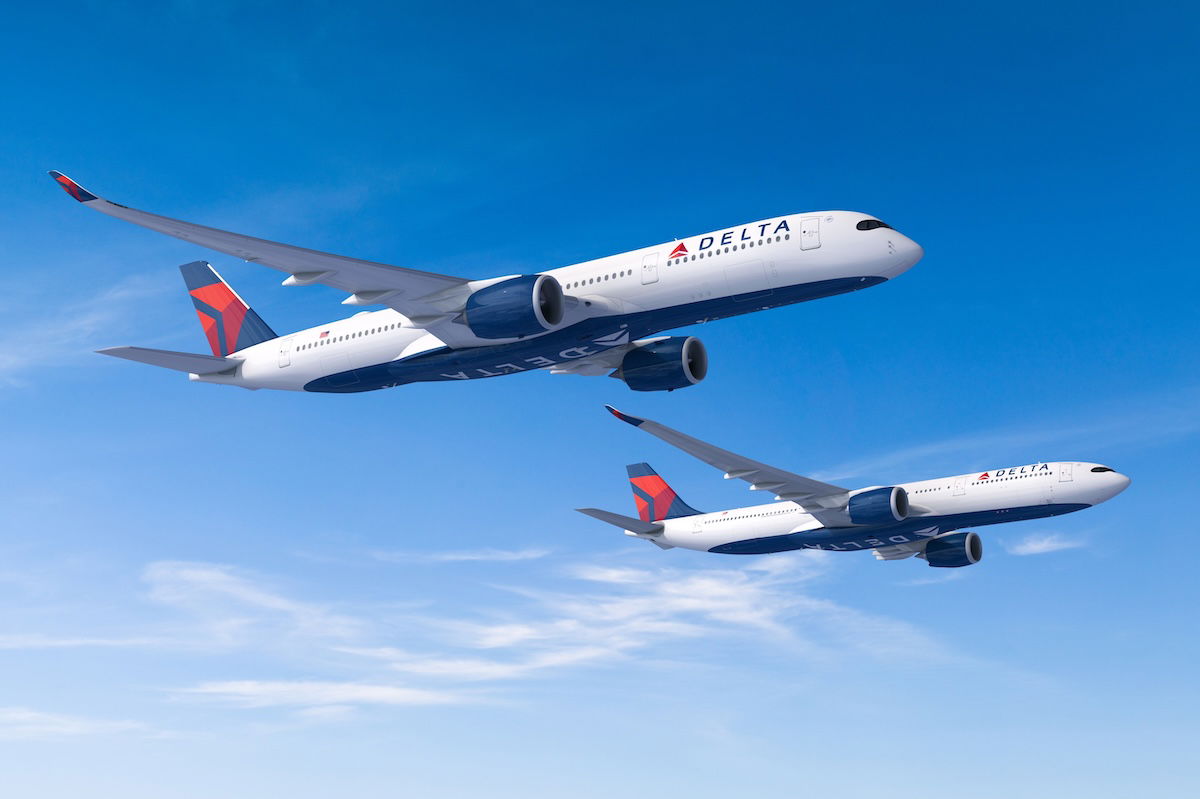
Qualche giorno dopo l'ordine di 30 787-10 (e opzioni per altri 30), Delta ordina altri aerei, nello specifico:

  • 16 A330neo
  • 15 A350-900
DL si trova cosi' ad avere 85 aerei a lungo raggio ordinati, e a fine consegne si trovera' con 55 339 e 75 350, di cui 20 nella versione 1000.

 
We have identified a potential durability issue during a recent inspection on the 777-9 engine, and we’re working with GE to better understand that issue and finalise root cause and corrective action,” Boeing chief executive Kelly Ortberg says during the company’s earnings call.

“Importantly, as we work through this issue, we continue our certification flight testing, and we don’t expect this to impact our delivery in 2027,” Ortberg adds.
“We haven’t fully turned the corner, but we’re making real progress getting back to the Boeing everyone expects of us,” Ortberg told investors on a Tuesday earnings call announcing the company’s 2025 financial results. “While I’m proud of what we accomplished in 2025, we also know expectations are rising, and we must continue to elevate that performance.”
Trovato un altro problema al 777-9, nello specifico ai motori GE9X. Non si aspettano che ciò provochi ulteriori ritardi, sarà vero?
 
Riporto qui un articolo dagli amici di The Aviationist che fa capire come, anche sul settore militare, non sia tutto rose e fiori in casa Boeing…


Boeing Records $565 Million Loss on KC-46 Tanker Program​

Published on: January 28, 2026 at 2:09 PMGoogle News IconFollow Us On Google News
Stefano D'Urso
Stefano D'Urso

Boeing $565 Million Loss

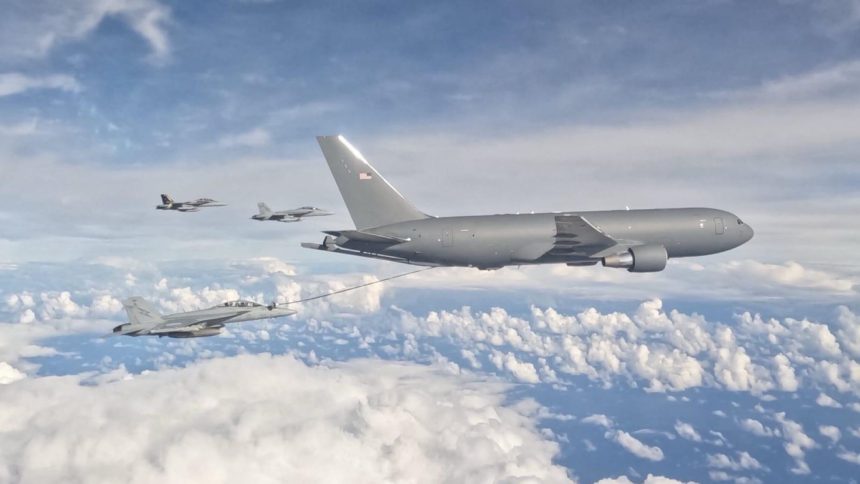
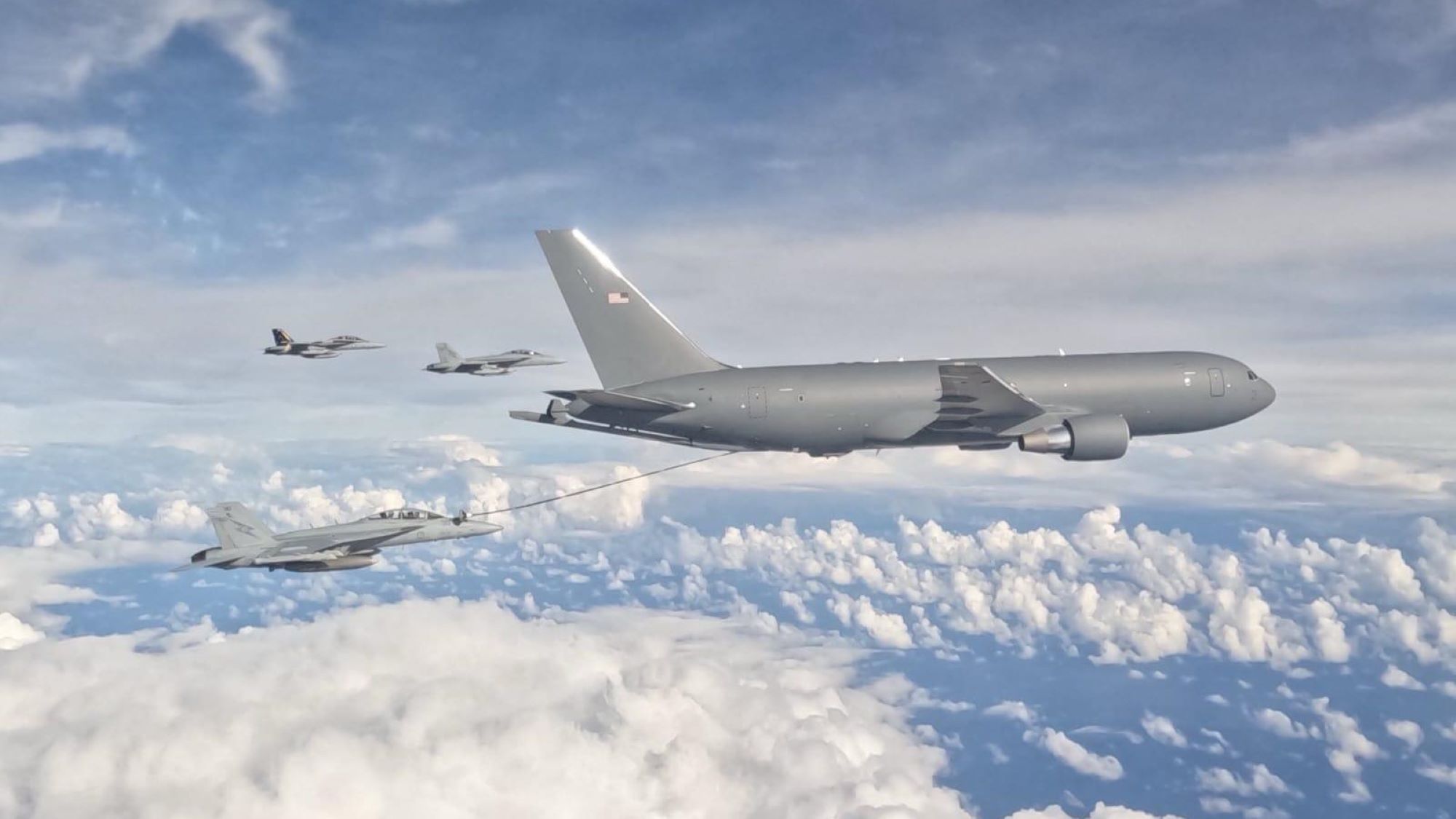
A KC-46A Pegasus, flown by an aircrew from the 79th Air Refueling Squadron, refuels three Royal Australian Air Force F-18 during a training flight. (Image credit: USAF courtesy photo)

Boeing reported a new $565M loss on the KC-46 program, while looking to a reprice because of supply chain costs, production support, and ongoing RVS 2.0 upgrades.​

Boeing has once again reported a significant financial charge on its KC-46A Pegasus tanker program, following the long-running challenges associated with what has become one of the U.S. Air Force’s most troubled major acquisition efforts. In fact, in its fourth quarter 2025 earnings release, Boeing disclosed a $565 million loss tied to the KC-46.

According to the company’s statements, the loss is driven primarily by higher supply chain costs and increased production support expenses at the Everett, Washington, facility, where the aircraft is assembled. The company acknowledged that the charge reflects persistent cost pressures linked to the 767 airframe, upon which the tanker is based.

The loss was further detailed during an investor call, where Boeing Chief Executive Officer Kelly Ortberg described the outcome as “disappointing” but emphasized that recent operational performance trends point toward improving stability in the program. Ortberg further said Boeing’s increased investment in quality and engineering support is intended to ensure the company can meet delivery commitments and prepare for the next phase of tanker procurement.

“This has been a bad contract for the last decade,” Ortberg said. “As we enter into a new opportunity where we get to reprice, we want to make sure that we … underwrite that contract, to ensure it’s a fair contract, and we can make money on that.”

Billions in Losses

Boeing has already accumulated more than $7 billion in losses because of the new tanker since contract award. This makes the KC-46 Pegasusone of the costliest fixed-price programs in the company’s defense portfolio.

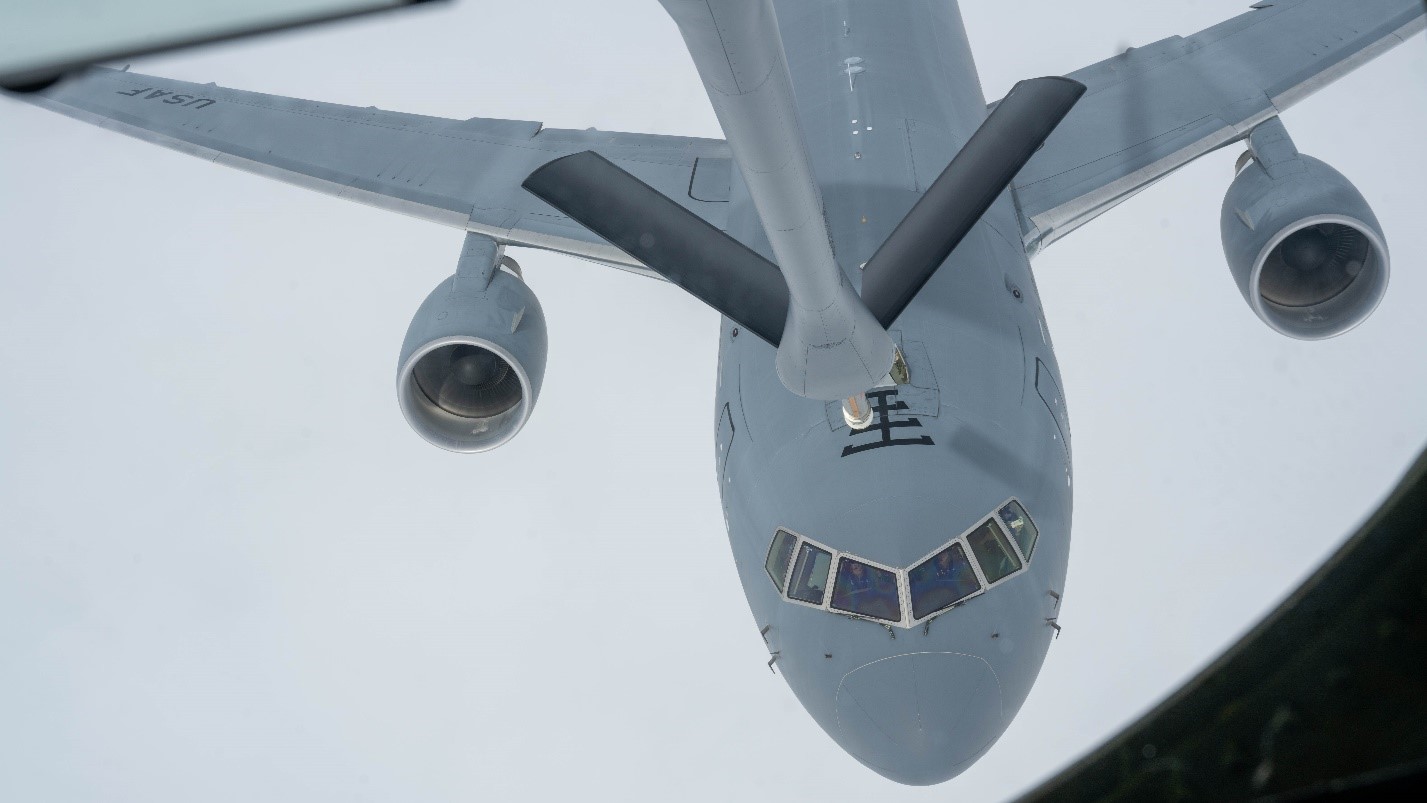
USAF Restructuring Under 2026 NDAAA KC-135 Stratotanker refuels a KC-46A Pegasus. (U.S. Air Force photo Airman 1st Class by Patrick O’Neill)
Under the terms of the original fixed-price contract, Boeing is responsible for covering all costs that exceed the agreed ceiling, thus absorbing all financial risk in place of the Air Force. Boeing’s yearly results show that its Defense, Space & Security business closed 2025 with negative operating margins at -0.5%, yet it represented a notable improvement compared to the -22.6% margin recorded in 2024.

Company executives stressed that the KC-46 loss does not indicate systemic problems across the defense business, but rather reflects concentrated issues fueled by the base airframe’s production and support costs. “The predominance of the charge is increased cost on the actual 767 commercial airplane production,” Ortberg explained.

Chief Financial Officer Jay Malave further added that Boeing intentionally maintained elevated staffing levels for quality assurance and engineering at Everett, in an effort to reduce rework and ensure delivery schedules could be met. Malave explained these measures are expensive but they appear to be helping.

“For example, as compared to the first half of the year, we saw average factory rework levels decrease by 20 percent in the fourth quarter,” Malave said. “While these investments are starting to evidence progress, we need to sustain them for longer than previously planned to promote stability.”

Boeing stated it delivered 14 KC-46s in 2025 and is now targeting an increase to 19 deliveries in 2026. The company is currently under contract to provide 183 tankers for U.S. and international customers, but the number might soon increase as the Air Force is planning to procure 75 additional aircraft to recapitalize the aging KC-135 Stratotanker fleet.

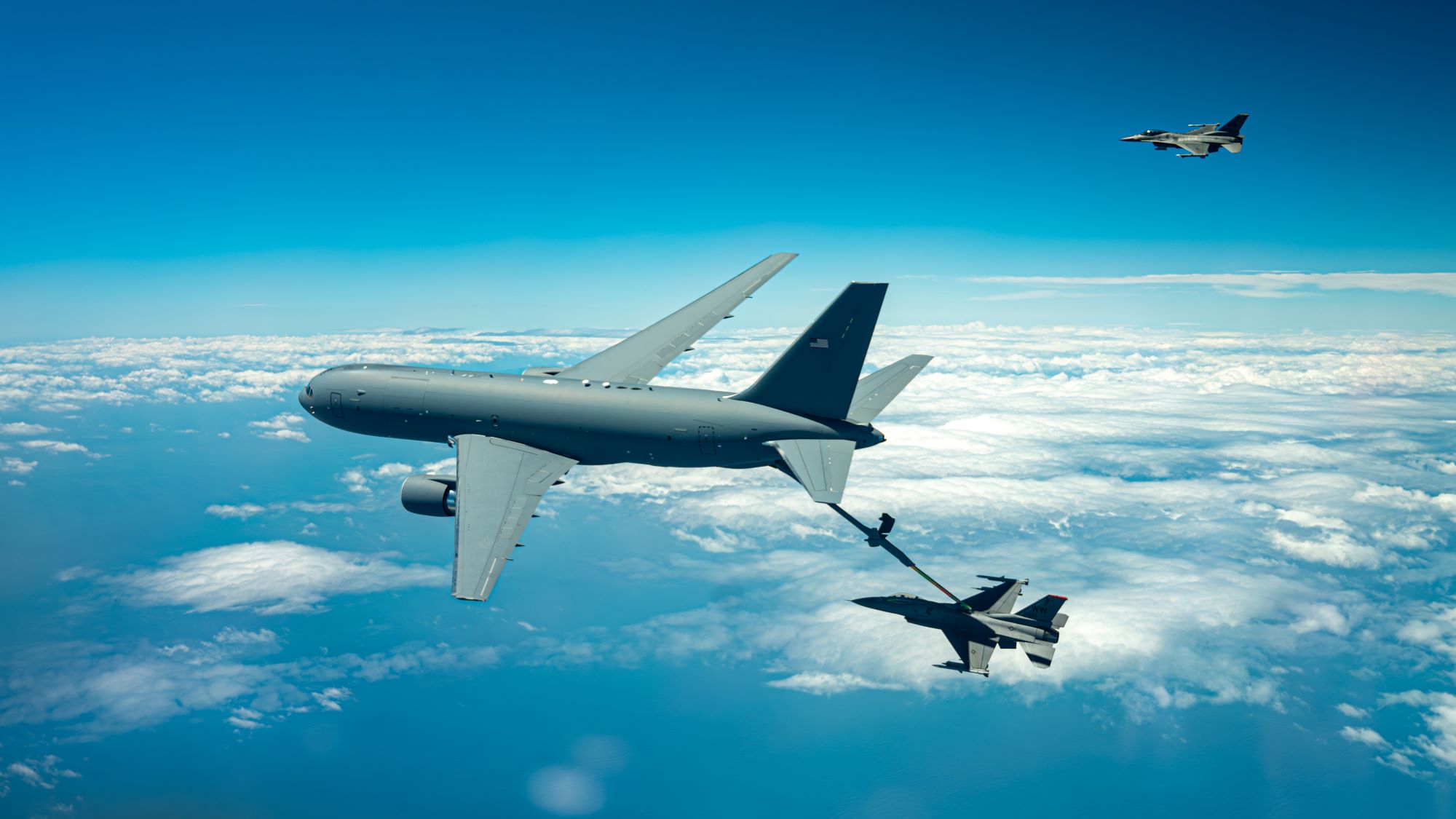
U.S. Air Force F-16 Fighting Falcons assigned to the 14th Fighter Squadron receive fuel from a KC-46A Pegasus assigned to the 60th Air Mobility Wing during an off-station training near Misawa Air Base, Jun. 5, 2025. (Image credit: USAF/Senior Airman Robert Nichols)
Technical Deficiencies

The KC-46’s cost overruns are also due to its long history of technical challenges, which included issues with the aircraft itself and the refueling equipment. These problems notably led to a temporary halt to the deliveries in 2024.

Among the most serious and enduring issues has been the Remote Vision System (RVS), which replaces the classic boom operator’s rear-facing window and controls with a new console equipped with a camera system. However, the system has suffered from many issues, leading the Air Force to classify it as a Category 1 deficiency, which represents problems that could result in loss of life or damage to aircraft.

The tanker has also experienced problems with its refueling boom actuator, which affected the stiffness and controllability of the boom during refueling operations. These issues limited the KC-46’s ability to refuel certain receiver aircraft, with a notable instance being the A-10 Thunderbolt II, and required new modifications to meet Air Force requirements.

Product quality issues involved three separate parts of the aircraft: drain masts for its auxiliary power unit (APU), a seal for its fuel manifold and a drain line that runs near the cockpit. Specifically, the APU’s drain masts showed a tendency to crack, solved with additional reinforcements.

The fuel manifold, which runs 555 feet throughout the plane, is fitted with flex couplings throughout so that it can bend in flight. However, an incorrect positioning of the coupling’s seals enabled fuel to seep out of the inner tube into the outer one, so Boeing implemented a new flex seal.

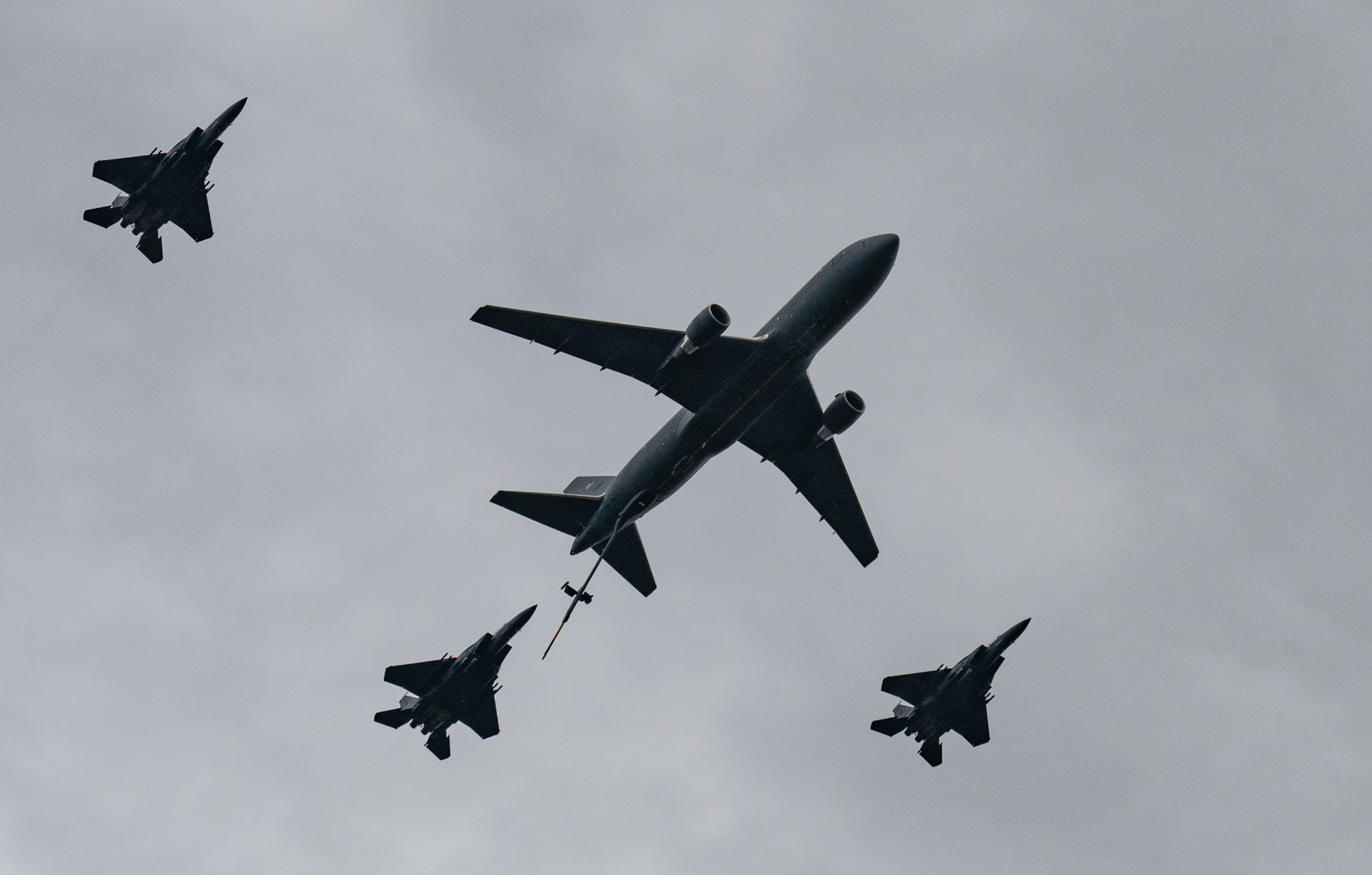
Three F-15 Strike Eagles and a KC-46 Pegasus fly in formation as part of the opening ceremony during Wings Over Wayne Open House 2025 at Seymour Johnson Air Force Base, North Carolina, May 4, 2025. (U.S. Air Force photo by Master Sgt. Alexandre Montes)
The last one was related to the AAR receptacle on top of the cockpit, specifically the receptacle drain line, which empties liquid out but is at risk of cracking and could cause fuel to leak into the cockpit. A fix has been found and is being implemented.

Structural concerns have also interrupted production. In 2024, Boeing was forced to temporarily halt KC-46 deliveries for approximately three months after cracks were discovered in the aircraft’s wing structure, requiring inspections and repairs across multiple aircraft. The pause highlighted the ongoing manufacturing challenges, complicating once again delivery schedules.

Progress on Remote Vision System 2.0 Testing

Boeing is continuing work to address the Remote Vision System (RVS). As we previously reported here at The Aviationist, Boeing achieved a key milestone in November 2025 following the first flight of a KC-46 equipped with the upgraded Remote Vision System 2.0 (RVS 2.0).

Boeing Defense, Space & Security CEO Steve Parker described the event as “a huge milestone for the program,” noting that the flight took place in the Seattle area under challenging weather conditions and would be followed by an extended test campaign through 2026. The Air Force also recently published a short video on social media saying the 418th Flight Test Squadron (FLTS) supported Boeing for the RVS testing during rapidly changing lighting conditions over the Mugu Sea Test Range.

RVS 2.0 is intended to resolve persistent problems affecting the current system, including image distortion, depth perception errors, and degraded performance under variable lighting conditions. These issues have been particularly problematic during night operations and in scenarios where sunlight and shadow interfere with the cameras’ ability to provide reliable visual cues to boom operators.

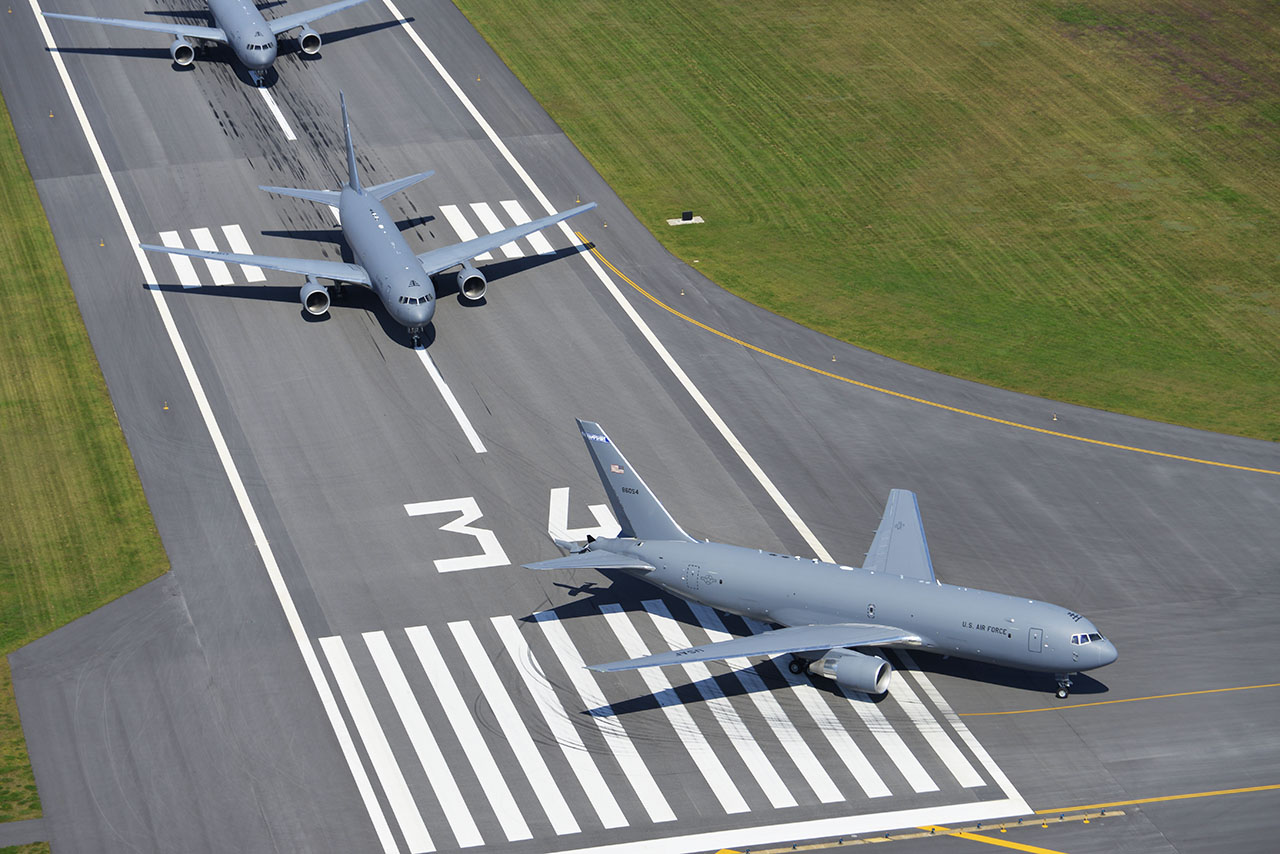
KC-46A Pegasus tankers performing an ‘elephant walk’ in 2021. (U.S. Air National Guard Photo by Senior Master Sgt. Timm Huffman)
RVS 2.0 is intended to resolve the problems with the incorporation of upgraded long-wave infrared and visible-spectrum cameras, increasing the total number of sensors from four to six. The upgrade, however, was affected by delays.

While testing is in progress, Boeing has continued to deliver aircraft with the interim RVS 1.5 configuration, with full fielding of RVS 2.0 not expected until 2027. Parker described RVS 1.5 as “exceptional,” without adding details.

Balancing Risk and Preparing for Repricing

Boeing’s executives argued that the latest charge reflects a deliberate decision to prioritize execution and delivery reliability over short-term financial performance. In fact, with the Pentagon increasingly scrutinizing contractor delivery schedules in recent weeks as it looks to change military procurement, the company said the investment was essential to the KC-46’s program long-term recovery.

“We took that decision – albeit, a big gulp – to have to take a charge here on the tanker program,” Ortberg said. “I think it will pay off in dividends with us, in terms of allowing us to make sure we meet the 19 deliveries next year.”

Boeing is now focused on not repeating the same “errors” of the original fixed-price development deal, especially with negotiations for the new Air Force procurement now approaching. The company appears determined to avoid absorbing new losses.
 
Dopo aver letto questo articolo (e tutte le rogne tecniche del KC-46), si rafforza in me la speranza che l’AM proceda spedita con un contratto ad Airbus per l’acquisizione di una nuova flotta di Tanker basata su A330 MRTT.
 
  • Like
Reactions: Berlin