
Qantas e i voli nonstop verso l'Europa (Project Sunrise)
- Autore Discussione DusCgn
- Data d'inizio
You are using an out of date browser. It may not display this or other websites correctly.
You should upgrade or use an alternative browser.
You should upgrade or use an alternative browser.

Ho letto da qualche parte che la questione del peso è critica e che saranno persino limitati nella scelta dei vini da offrire a bordo a seconda del peso del vetro della bottiglia...
- Costi di carburante minore, dato che ti salti un decollo e un atterraggio
sicuro? portare tutto quel carburante e il peso dei serbatoi extra a spasso non è gratis

Pensa se ti si presentano tutti passeggeri oversize… battute a parte, da un punto di vista operativo continuo ad essere molto scettico su queste rotte al limite (es. FCO-DXB operata con 321neo).Ho letto da qualche parte che la questione del peso è critica e che saranno persino limitati nella scelta dei vini da offrire a bordo a seconda del peso del vetro della bottiglia...
Male che va, Tavernello e bicchieri di plastica.Ho letto da qualche parte che la questione del peso è critica e che saranno persino limitati nella scelta dei vini da offrire a bordo a seconda del peso del vetro della bottiglia...
Tanto, tra Brits e Aussies nessuno noterà alcuna differenza.


Gli aussies i vini buoni li hanno (tappo a vite).
Quanto alla durata del volo, fatto SYD DOH 14 ore e spiccioli (però ero su un 380 in biz: è un bell'andare).
eccone un'altro che alla fine ammette di volare in classe superiore...

- Costi di carburante minore, dato che ti salti un decollo e un atterraggio
sicuro? portare tutto quel carburante e il peso dei serbatoi extra a spasso non è gratis
I piloti mi correggeranno, ma eviti un decollo e un taxiing, in cui consumi piu' carburante (comparativamente) che a crociera.
Da Flightglobal:
The A350-1000 burns approximately 15,200 lbs (6,900 kg) of fuel per hour in cruise, but during the takeoff roll, the fuel flow per engine climbs to roughly three to four times that figure, translating to a combined flow of around 660 to 1,100 lbs (300 to 500 kg) per minute across both engines at full power.
Da non pilota, direi che il consumo 'assoluto' di carburante è sicuramente inferiore a parità di peso massimo al decollo, per i motivi che dici tu.I piloti mi correggeranno, ma eviti un decollo e un taxiing, in cui consumi piu' carburante (comparativamente) che a crociera.
Da Flightglobal:
Ma altrettanto sicuramente, il consumo di carburante in rapporto al carico utile sarà superiore. Con un rifornimento a metà strada puoi evitare di riempire i serbatoi e caricare molti più pax e merci.
Con un solo rifornimento 'a tappo' (peraltro con serbatoi da 20.000 litri in più), il carico utile che ti rimane è di molto inferiore.
Molto spannometricamente (fatto su un foglio Excel sulla base di dati disponibili online, e con innumerevoli semplificazioni), considerando lo stesso MTOW tra 35K e 35K URL, in partenza da Heathrow per Sydney avrai circa 50 tonnellate in più di benza da portarti dietro rispetto ad un volo per Singapore. Poi ne consumerai in totale 15 in meno per arrivare a Sydney rispetto al doppio volo con scalo.
Ma ti perderai 50 tonnellate di carico utile alla partenza. (Ripeto, le cifre sono largamente approssimative, ma il concetto credo sia corretto)
Quindi, sì: il consumo netto di carburante sarà inferiore, ma il consumo per tonnellata di carico utile (la 'quota carburante' del CASK), sarà superiore.
Da non pilota, direi che il consumo 'assoluto' di carburante è sicuramente inferiore a parità di peso massimo al decollo, per i motivi che dici tu.
Ma altrettanto sicuramente, il consumo di carburante in rapporto al carico utile sarà superiore. Con un rifornimento a metà strada puoi evitare di riempire i serbatoi e caricare molti più pax e merci.
Con un solo rifornimento 'a tappo' (peraltro con serbatoi da 20.000 litri in più), il carico utile che ti rimane è di molto inferiore.
Molto spannometricamente (fatto su un foglio Excel sulla base di dati disponibili online, e con innumerevoli semplificazioni), considerando lo stesso MTOW tra 35K e 35K URL, in partenza da Heathrow per Sydney avrai circa 50 tonnellate in più di benza da portarti dietro rispetto ad un volo per Singapore. Poi ne consumerai in totale 15 in meno per arrivare a Sydney rispetto al doppio volo con scalo.
Ma ti perderai 50 tonnellate di carico utile alla partenza. (Ripeto, le cifre sono largamente approssimative, ma il concetto credo sia corretto)
Quindi, sì: il consumo netto di carburante sarà inferiore, ma il consumo per tonnellata di carico utile (la 'quota carburante' del CASK), sarà superiore.
Appunto, come dicevo qui:
- Svantaggi
- Minori opportunita' di revenue. Con uno stopover in Va liberta', il tuo mercato praticamente raddoppia. Puoi portare passeggeri LHR-SYD, LHR-SIN, SIN-SYD. Idem per il cargo

Nel 2023 TK ordinò 15 A35K, 8 di questi saranno la versione ULR.
È previsto che il primo arriverà a luglio 2027.
È previsto che il primo arriverà a luglio 2027.

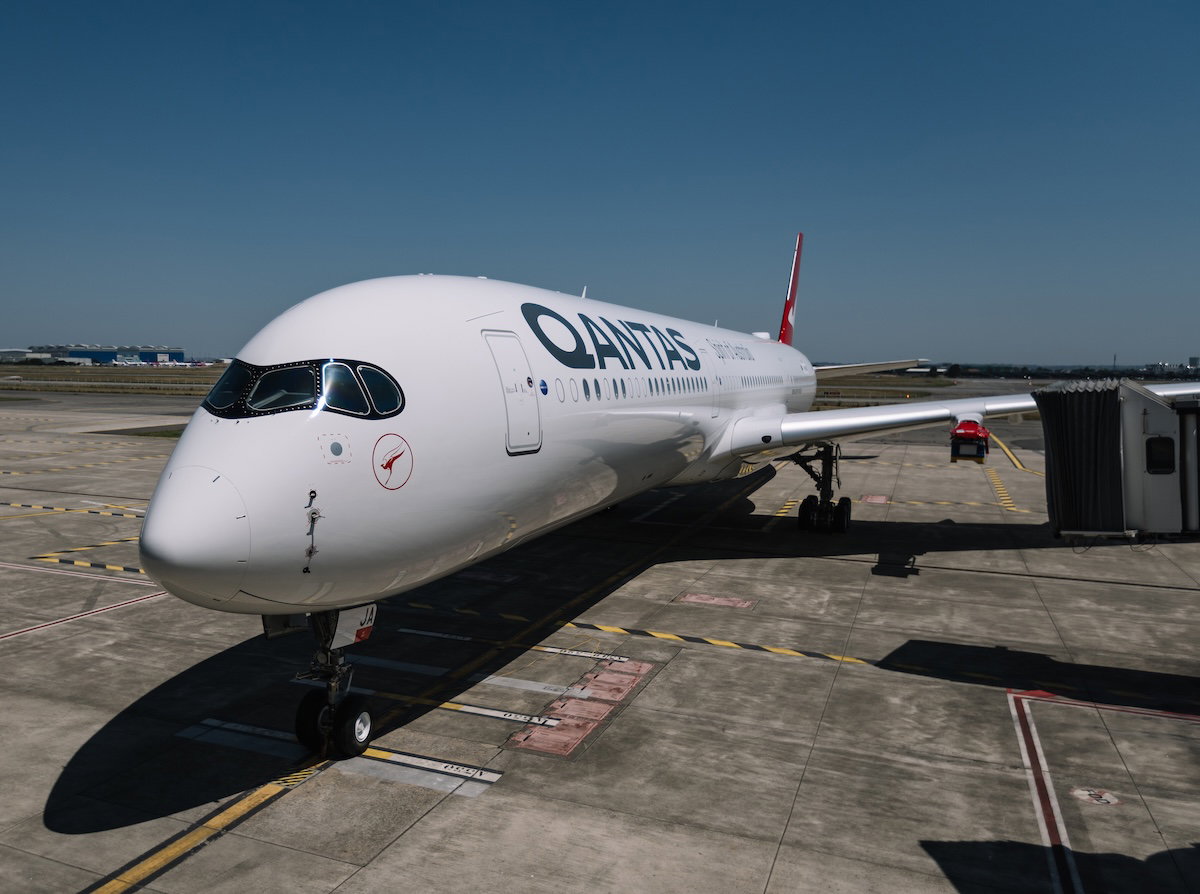
Qantas' 10,573-Mile, 21-Hour Sydney To London A350 Flights Launch Late 2027
Qantas has announced that it will launch the world's longest nonstop flight, between Sydney and London, as of October 2027 with A350-1000ULRs.
 onemileatatime.com
Vanessa Hudson, Qantas Group CEO:Qantas has announced that it plans to launch nonstop flights between Sydney and London as of October 2027, with flights going on sale as of February 2027. This will represent the first-ever regularly scheduled nonstop flights between Australia’s East Coast and the UK.
Qantas will launch this nonstop service once it has three A350-1000ULRs — two planes are needed to operate the route, and then they also need a spare. So you can expect the plane will enter service a bit earlier, operating regional flights, particularly for crew familiarization.
“Qantas was built on the belief that Australia’s distance from the rest of the world should never stand in the way. The pioneering spirit of generations of our people has forged that path ever since, and today is the most significant step in that mission in our 105-year history.”
“Since we first flew the Kangaroo Route in 1947, where we stopped seven times on the way to London, every generation of aircraft has taken a stop out of the journey. Today, we’re taking out the last one.”
“We made a commitment in 2017 that Qantas would conquer the final frontier of long-haul aviation and connect Australia’s east coast directly to London, something that has never before been possible. From October 2027, that promise becomes reality.”
Ultima modifica:
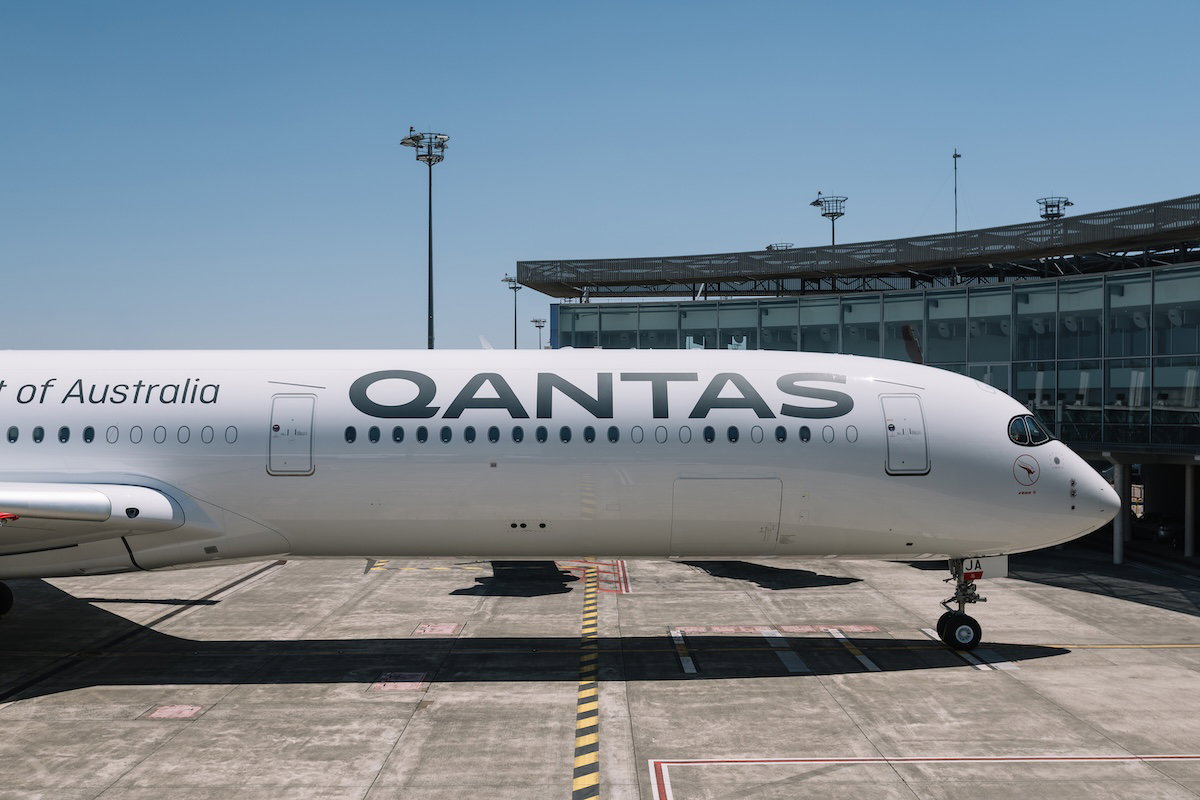
Qantas Quietly Shifts Airbus A350-1000ULR Strategy, Shuns Melbourne
Qantas has changed what it plans to do with its ultra long range Airbus A350-1000ULRs -- only half of them will be used for new routes.
onemileatatime.com
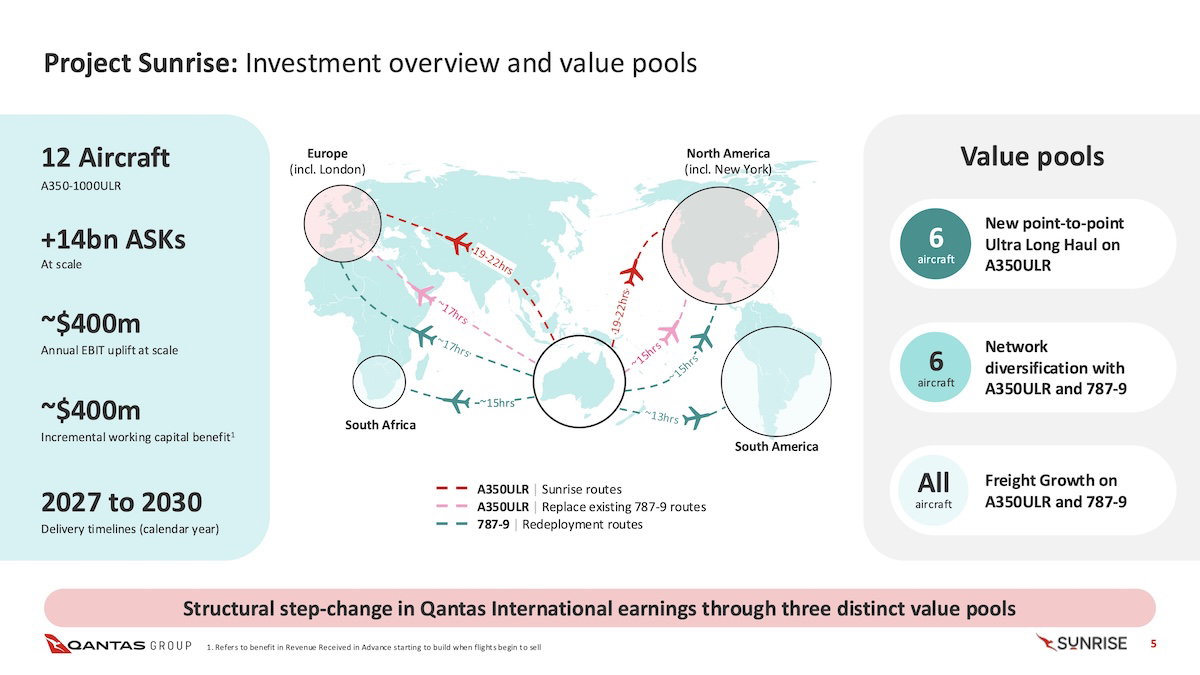
Sembra che solo 6 ULR (su 12) saranno effettivamente usati nelle rotte dove c'è necessità del maggior range, gli altri molto probabilmente saranno usati al posto di dove oggi usano i 787-9.
However, that strategy seems to have shifted. When you look at the investment case presentation that Qantas just put out about its A350-1000ULR, it tells a different story. Now Qantas plans to use only six aircraft for point-to-point ultra long haul flying. In other words, that just covers flights from Sydney to London and New York, with a couple of spares.
Then the remaining six A350-1000ULRs will be used for “network diversification.” The idea is that those planes will be used to replace Boeing 787-9s on existing routes, so they can be put on other routes. There has been some mention of the A350-1000ULRs potentially taking over the routes from Sydney to London and New York that operate via Perth (PER) and Auckland (AKL), respectively, as those are currently operated by the Dreamliners. While those are also ultra long haul routes, they don’t need the incremental range.
Based on the presentation, it would appear that the Dreamliners could then be redeployed to South Africa, South America, and a new destination in Europe.
...
Qantas doesn’t need the extra range on the other routes on which it plans to operate the A350-1000ULRs. These planes are ultimately a bit more expensive than the standard ones, though I guess the upside is that this increased maximum takeoff weight can also be used to increase cargo capacity, so there’s some upside there.
Se è la stessa che ho visto io, penso si riferisse solo agli effetti di una nuova tecnologia di analisi meteorologica che stanno sviluppando e che dovrebbe portare – solo durante l'inverso boreale, quando le correnti a getto sono più forti – a un 20% dei voli che faranno la rotta pacifica/polare, portando Qantas a volare su posti nuovi come Alaska, Islanda e Scozia.Ho visto ora una intervista a un pilota QF, sembra che il nonstop SYD-LHR farà la rotta pacifica anziché Asia-Medio Oriente. Non se in entrambe le direzioni, se per effetto delle restrizioni ai sorvoli Russia/Golfo, o altro...
edit:
Non "solo" durante l'inverno.
Il 20% dei voli è riferito a tutto l'anno, e questi si concentreranno soprattutto durante la stagione (per noi) fredda.
Ultima modifica:


Per quanto complessivamente interessante, non si può fare a meno di notare che ci sia della first in questo clickbait
Anche perché è un volo che ha senso solo in first e in businessPer quanto complessivamente interessante, non si può fare a meno di notare che ci sia della first in questo clickbait