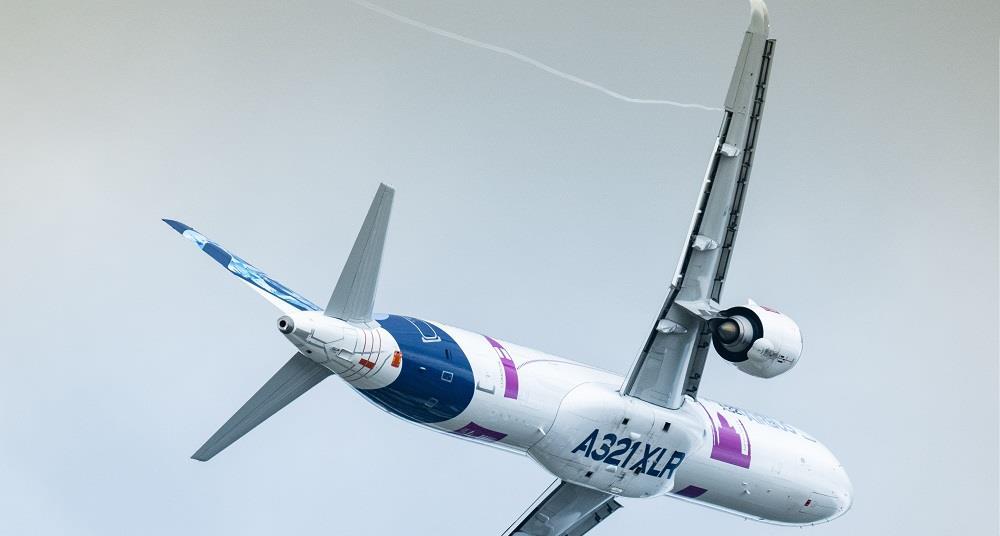
Presentato a Le Bourget l'A321XLR


Segnalo che Iberia nella summer 2026 servità un altra rotta transatlantica con A321XLR:

Madrid – Santo Domingo eff 29MAR26 A321XLR replaces A330, 1 daily

Con A321XLR operano già verso Boston, Washington, Fortaleza e Recife.

aeroroutes.com
FOR da gennaio REC da dicembre
 
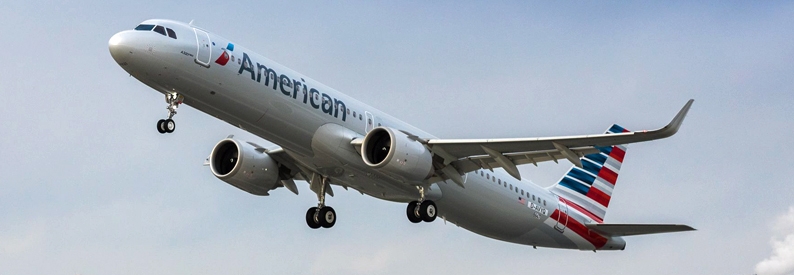
Il primo XLR di AA in consegna negli USA: N303NY (AA9822).
https://onemileatatime.com/news/american-airbus-a321xlr/
Gli altri 2, i futuri N300NY (attualmente F-WXAA) e N302NY (attualmente F-WXAC), sono ancora OSR.
 
Ultima modifica:
American Airlines ha annunciato la prima nuova rotta transatlantica operata con A321XLR, aprono JFK-EDI daily. A breve saranno annunciate altre rotte transatlantiche operate con A321XLR

American Resumes New York – Edinburgh With A321XLR in late-1Q26​

American Airlines during the weekend of 01NOV25’s schedule update filed operational schedule for its planned New York JFK – Edinburgh route, previously served until October 2018 with Boeing 757-200.

The oneWorld member will resume this route on 08MAR26, with Airbus A321XLR aircraft operating 1 daily flight. Schedule below is effective 28MAR26 – 23OCT26.

AA082 JFK2100 – 0830+1EDI 32Q D
AA083 EDI1030 – 1230JFK 32Q D

aeroroutes
 
  • Like
Reactions: vc-25b
Iberia apre Toronto con A321XLR

Iberia Resumes Toronto Service From June 2026​


Iberia during Northern summer 2026 season plans to resume service to Canada, where the oneWorld member schedules Madrid – Toronto route. From 13JUN26, Airbus A321XLR aircraft to serve this route 5 times weekly.

IB367 MAD1200 – 1500YYZ 32Q x24
IB368 YYZ1710 – 0650+1MAD 32Q x24

Iberia last served Toronto on regular scheduled basis (excluding one-off operation) until April 1996.

aeroroutes
 
  • Like
Reactions: vc-25b
Non è una novità in senso stretto, comunque questo articolo contiene qualche dettaglio in più sulle “mini-suites” che dovrebbero essere installate sugli A321XLR di United. Peraltro, se non erro le “privacy doors” sono state inibite su alcuni A321 di JetBlue per questioni regolamentari e di numero di assistenti di volo a bordo.

United Airlines requests FAA exemption to install privacy doors on A321XLR ‘mini-suites’​

United Airlines has requested an exemption from the Federal Aviation Administration that would allow it to install 20 business class “mini-suites” with privacy doors on its incoming Airbus A321XLRs.

Installing private suites on the 50 A321XLRs United expects to take from Airbus would represent new territory for United, which is installing Polaris Suites with privacy doors on its newer Boeing 787-9s – but not yet on narrowbody jets in its fleet.

Competitor American Airlines, which recently became the first North American carrier to take delivery of the A321XLR, offers similar mini-suites with its Flagship Suite product on the latest-generation narrowbody type.

United expects A321XLR deliveries to begin sometime in mid-2026. It has previously disclosed that the incoming twinjets will be configured with 150 seats in a three-class arrangement.

In a US Department of Transportation filing dated 18 November, United notes that the presence of business class mini-suites would not be compliant with evacuation-related FAA regulations pertaining to doors inside aircraft cabins – particularly those between “any passenger and an exit”.

”Should such a door (either through omission or mechanical failure) become jammed in the event of an emergency evacuation, persons could be prevented or delayed from evacuating, which could result in fatalities or injuries that would not otherwise have occurred,” the FAA regulation states.

The airline says it will “not have, nor will be operating, a solid door in any partition between passenger compartments between the business class cabins and tourist class cabins” that could impede passengers attempting to evacuate the aircraft.

United notes that Airbus has taken “design precautions” to install mini-suites that do not pose safety risks to passengers. Airbus previously secured an FAA exemption allowing it to install “doors and moveable walls” on mini-suites.

“The doors in the mini-suites are designed to automatically secure in the open position during taxi, take-off and landing,” United says. ”This mechanism ensures that the doors do not obstruct any egress paths and comply with the FAA’s safety requirements for emergency evacuations.”

Under FAA rules, airlines must provide an additional crewmember to ensure that the doors of the suites remain open during those phases of flight.

The airline also points to suites with doors on widebody jets such as the 777, 787 and A350.

If granted the exemption, United “respectfully requests the privilege to use the exemption outside of the United States”.

The A321XLR has been marketed as a “game changer” for global airlines seeking to stretch their wings on so-called “skinny” routes that would not support widebody operations. United has previously indicated it intends to operate the type on transatlantic and Latin American flights.

 
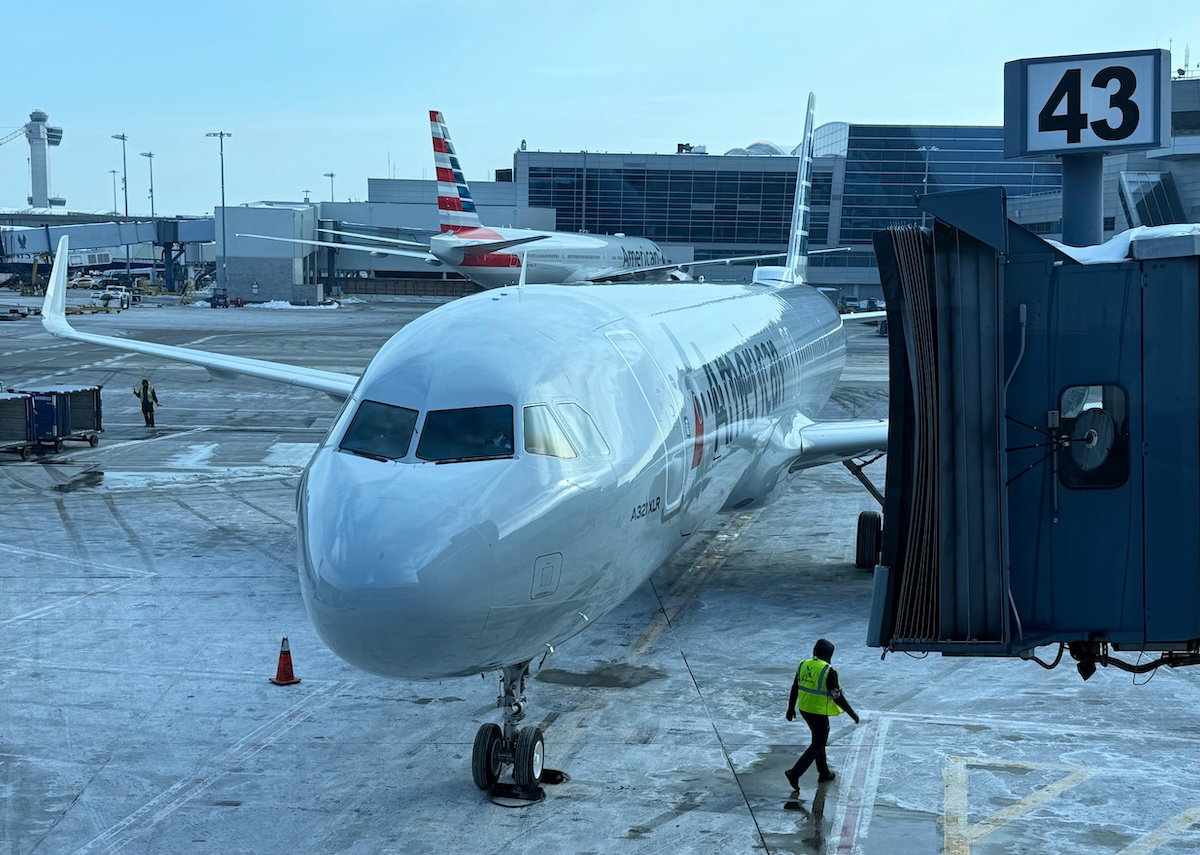
Posto qui questa interessante storia riportata da One Mile At A Time, che riguarda una aa/vv di American Airlines (anche autrice di un libro e di diversi articoli di settore), che lancia strali contro la configurazione del 321XLR di AA che al momento opera sulla JFK-EDI.

Molto crew unfrendly a suo dire. Al link qui sotto anche i suoi post su X, con alcune immagini ed un video.

AlitaliaFan joined this thread

Flight attendant not happy to work American A321XLR​

Heather Poole is an American flight attendant who has even written a book about her 30-year career at the airline. She’s based in New York, which is also where American has based its newest aircraft, the Airbus A321XLR.

This is the new long range narrow body plane that’s becoming popular with many airlines. The selling point of the plane is that it can unlock point-to-point routes that wouldn’t work with wide body planes (or so it’s claimed). In the case of American, the plane’s first international route is from New York (JFK) to Edinburgh (EDI).

Poole shares a lot of thoughts about her job on her X account, and she wrote the following about her experience flying the A321XLR for the first time:

Now for XLR update: I smelled fumes before takeoff on both legs so that is still an issue on Airbus, the bathroom situation is ridiculous (1 in front & 3 in the back of coach) so we’re constantly moving carts to let people pass by, tight galley, trash management is difficult, crew rest seats are a joke, first class is so tight you can’t pass anyone in the aisle, premium economy/ coach meal trays are tiny so you’re stacking everything and it’s falling off… shall I keep going? It’s not flight attendant friendly. Hard to work, especially in first class where you’re dealing with the entertainment screens that have to be pushed aside every time you serve someone.
She accompanied the commentary with a picture of the cabin, a picture of her hand next to the (tiny) economy meal tray, and also a video showing the crew rest on the plane.

Essentially, flight attendants on this aircraft get a set of three seats in the last row blocked off for their crew rest, with a “tent” around it, right by the bathroom. As she comments in the video:

“Here’s the crew rest, here are all the blankets, I don’t even know what to do with them. This is our little tent, right next to the bathroom, we have a crew rest tent, isn’t this exciting. Oh my gosh.”

While I know crew rest areas often consist of seats with curtains around them, I must admit that looks especially unpleasant.

For what it’s worth, I basically agree with all of the complaints Poole makes, and the American A321XLR isn’t a customer or crew friendly plane. While there are some general challenges with narrow body aircraft, American also wasn’t very thoughtful with some of its design choices.

Separate from the actual complaint, which I think is spot on, I always find Poole’s social media presence to be surprising. Look, most of the points she makes are totally fair, though it’s interesting to see the company basically tolerating someone frequently posting negative things about the company in such a public way.

Even in reference to this post, someone responded by telling her to be careful with what she posts, and about how her employer may not be happy about this. Her response was to roll her eyes, and say she’s been doing it for many years.

Hey, I guess the company does tolerate it, based on her continued content. But it’s quite a contrast to the social media policies you’ll find at virtually any non-US airline, where so openly and consistently criticizing the company you work for wouldn’t be tolerated.

Interestingly, the Association of Professional Flight Attendants (APFA) social media guidelines indicate that flight attendants should “refrain from disparaging comments or reviews of the Company.” But I guess that’s not consistently enforced.

I’m not sure whether to find her content refreshing in terms of its honesty, or just unprofessional, in terms of consistently ragging on the company that she’s on the payroll of.

A popular American Airlines flight attendant flew the Airbus A321XLR for the first time, and had nothing nice to say about it. I don’t blame her, and I agree that the crew rest on that plane leaves a lot to be desired.

Now, the fact that she consistently comments so publicly about her company is a different story. It would almost certainly be surprising to anyone who works for a foreign airline to see this kind of stuff tolerated.

 
I commenti della signora sembrano un copia/incolla di tanti commenti della mia signora per i 320 normali (spaceflex) o i 787-10 senza crew bunks, o i 350 con solo due galley. Troppo spesso le compagnie aeree sacrificano flessibilita' e user-friendliness per infilare 3 sedili in piu'.