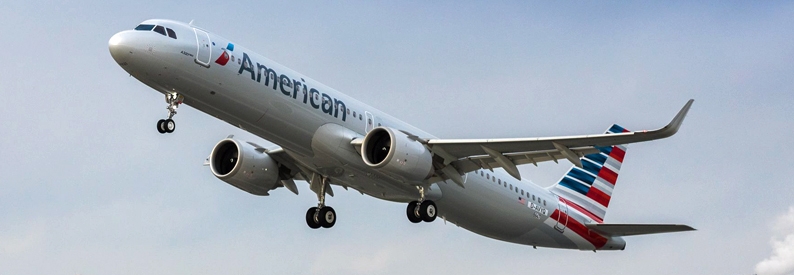
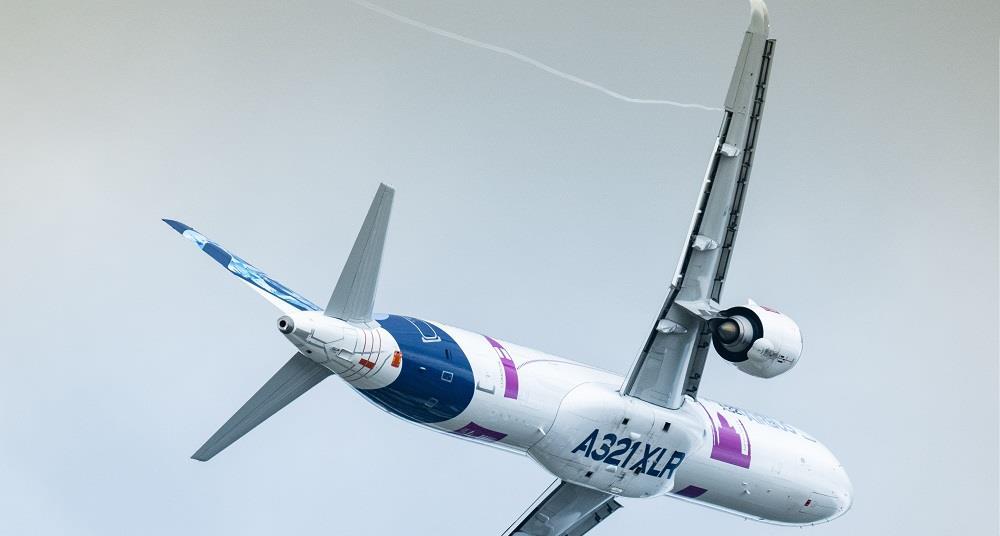
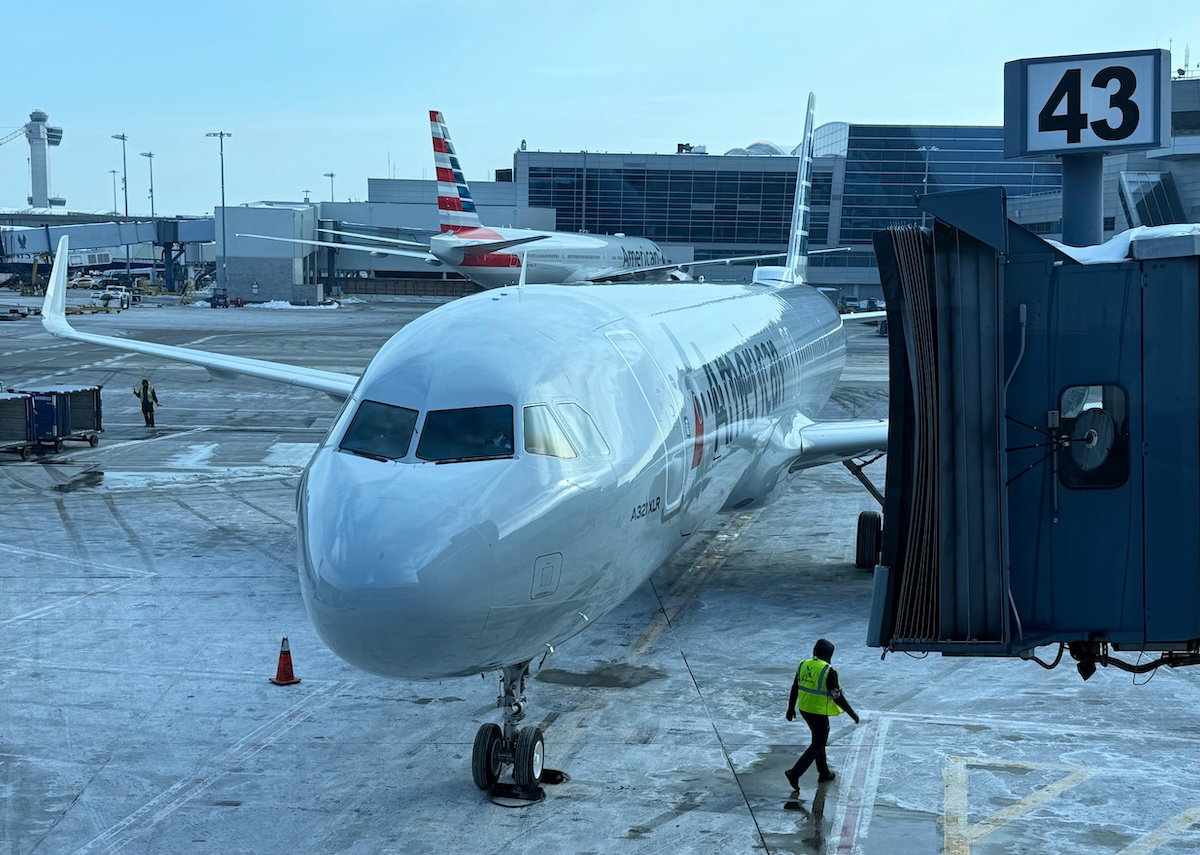
Posto qui questa interessante storia riportata da One Mile At A Time, che riguarda una aa/vv di American Airlines (anche autrice di un libro e di diversi articoli di settore), che lancia strali contro la configurazione del 321XLR di AA che al momento opera sulla JFK-EDI.
Molto crew unfrendly a suo dire. Al link qui sotto anche i suoi post su X, con alcune immagini ed un video.
AlitaliaFan joined this thread
An American Airlines flight attendant has taken to social media to slam the company's newest planes, saying they're challenging to work.

onemileatatime.com
Flight attendant not happy to work American A321XLR
Heather Poole is an American flight attendant who has even written a book about her 30-year career at the airline. She’s based in New York, which is also where American has
based its newest aircraft, the Airbus A321XLR.
This is the new long range narrow body plane that’s becoming popular with many airlines. The selling point of the plane is that it can unlock point-to-point routes that wouldn’t work with wide body planes (or so it’s claimed). In the case of American,
the plane’s first international route is from New York (JFK) to Edinburgh (EDI).
Poole shares a lot of thoughts about her job on her X account, and she wrote the following about her experience flying the A321XLR for the first time:
Now for XLR update: I smelled fumes before takeoff on both legs so that is still an issue on Airbus, the bathroom situation is ridiculous (1 in front & 3 in the back of coach) so we’re constantly moving carts to let people pass by, tight galley, trash management is difficult, crew rest seats are a joke, first class is so tight you can’t pass anyone in the aisle, premium economy/ coach meal trays are tiny so you’re stacking everything and it’s falling off… shall I keep going? It’s not flight attendant friendly. Hard to work, especially in first class where you’re dealing with the entertainment screens that have to be pushed aside every time you serve someone.
She accompanied the commentary with a picture of the cabin, a picture of her hand next to the (tiny) economy meal tray, and also a video showing the crew rest on the plane.
Essentially, flight attendants on this aircraft get a set of three seats in the last row blocked off for their crew rest, with a “tent” around it, right by the bathroom. As she comments in the video:
“Here’s the crew rest, here are all the blankets, I don’t even know what to do with them. This is our little tent, right next to the bathroom, we have a crew rest tent, isn’t this exciting. Oh my gosh.”
While I know crew rest areas often consist of seats with curtains around them, I must admit that looks especially unpleasant.
For what it’s worth, I basically agree with all of the complaints Poole makes, and
the American A321XLR isn’t a customer or crew friendly plane. While there are some general challenges with narrow body aircraft, American also wasn’t very thoughtful with some of its design choices.
Separate from the actual complaint, which I think is spot on, I always find Poole’s social media presence to be surprising. Look, most of the points she makes are totally fair, though it’s interesting to see the company basically tolerating someone frequently posting negative things about the company in such a public way.
Even in reference to this post, someone responded by telling her to be careful with what she posts, and about how her employer may not be happy about this. Her response was to roll her eyes, and say she’s been doing it for many years.
Hey, I guess the company does tolerate it, based on her continued content. But it’s quite a contrast to the social media policies you’ll find at virtually any non-US airline, where so openly and consistently criticizing the company you work for wouldn’t be tolerated.
Interestingly, the Association of Professional Flight Attendants (APFA)
social media guidelines indicate that flight attendants should “refrain from disparaging comments or reviews of the Company.” But I guess that’s not consistently enforced.
I’m not sure whether to find her content refreshing in terms of its honesty, or just unprofessional, in terms of consistently ragging on the company that she’s on the payroll of.
A popular American Airlines flight attendant flew the Airbus A321XLR for the first time, and had nothing nice to say about it. I don’t blame her, and I agree that the crew rest on that plane leaves a lot to be desired.
Now, the fact that she consistently comments so publicly about her company is a different story. It would almost certainly be surprising to anyone who works for a foreign airline to see this kind of stuff tolerated.