
Boeing 737 MAX 8 - Altra grana per possibili difetti di produzione
- Autore Discussione marcoroma
- Data d'inizio
You are using an out of date browser. It may not display this or other websites correctly.
You should upgrade or use an alternative browser.
You should upgrade or use an alternative browser.


Vero, il T-7 sta avendo problemi enormi!
Boeing si è’ ritirata dalla gara
Fermo lì.Boeing si è’ ritirata dalla gara
Boeing sta proseguendo il programma con l’USAF, seppur con grandi ritardi e criticità.
Dove si è ritirata con il T-7 (lasciando solo il M-346 a competere) è nella cosiddetta gara per il UJTS (Undergraduate Jet Training System) della Navy.
Fermo lì.
Boeing sta proseguendo il programma con l’USAF, seppur con grandi ritardi e criticità.
Dove si è ritirata con il T-7 (lasciando solo il M-346 a competere) è nella cosiddetta gara per il UJTS (Undergraduate Jet Training System) della Navy.
E dove vado? Manco sapevo che stesse agonizzando con l’USAF. Vediamo comunque se i peracottari del Pentagono si inventeranno irregolarità dell’M-346 per assegnarlo a…
BTW, leggevo articoli e vedevo video su YT dell’entusiasmo intorno al prodotto Leonardo. Speremm

Quella dell’USAF l’han vinta nel 2017 o giù di lì. Al momento sono sempre in attesa…E dove vado? Manco sapevo che stesse agonizzando con l’USAF. Vediamo comunque se i peracottari del Pentagono si inventeranno irregolarità dell’M-346 per assegnarlo a…
BTW, leggevo articoli e vedevo video su YT dell’entusiasmo intorno al prodotto Leonardo. Speremm
La cosa un po' surreale è che i due Max erano stati presi, fra gli altri, per sostituire i 16 (se non erro) 737-800 che erano stati restituiti ai lessor al termine del processo di "recuperação judicial" (concordato) concluso dalla Gol nel 2025...Stando alla stampa brasiliana (leggo l'articolo col traduttore automatico, @Jambock mi correggera') due 737-MAX8 di Gol sono stati ritornati a Boeing e verranno demoliti a Marana. Smantellare due aerei praticamente nuovi e' cosa sostanzialmente mai vista, ma pare che sia resa necessaria da difetti di produzione cosi' significativi da rendere gli aerei pressoche' inutilizzabili. Dall'articolo:
Ancora tu ... non mi sorprende, lo sai ...
Fix It Again, Tony. Ma neanche FIAT e Alfasud di un tempo hanno un track record di produzione tirata via alla bell'e meglio così.
Boeing ha annunciato la conclusione della campagna voli per la certificazione dei MAX sette & dieci.
Ora si aspetta la FAA.
https://simpleflying.com/boeing-completes-737-max-7-max-10-flight-testing-2027-deliveries/
Ora si aspetta la FAA.
https://simpleflying.com/boeing-completes-737-max-7-max-10-flight-testing-2027-deliveries/
Boeing Completes 737 MAX 7 & MAX 10 Flight Testing, Clearing Path For 2027 Deliveries
Jack McGarity
Published Jul 28, 2026, 3:53 PM EDT
Boeing has completed certification flight testing for its long-delayed Boeing 737 MAX 7 and Boeing 737 MAX 10, marking a major milestone toward Federal Aviation Administration (FAA) certification and the first customer deliveries in 2027. The update, disclosed in the company's second quarter 2026 earnings report, signals that both aircraft have now finished the flight test campaign required before the FAA completes its certification review, although regulatory approval is still pending.
The announcement represents meaningful progress for Boeing's narrowbody family, whose two remaining MAX variants have experienced years of certification delays. The manufacturer continues to expect FAA certification for both aircraft in 2026, with initial deliveries scheduled to begin the following year, assuming the remaining regulatory process proceeds as planned. Boeing also confirmed continued progress on the Boeing 777X program, which recently received FAA authorization to begin another phase of certification flight testing.
Certification Campaign Reaches A Key Milestone
According to Boeing, certification flight testing on both the MAX 7 and MAX 10 concluded in July, completing one of the most significant technical phases of the certification program. Just two weeks earlier, the company had reported that testing was nearing completion but had not yet finished, making the latest update an important step forward. While completing flight testing does not automatically result in certification, it allows the FAA to continue evaluating the extensive data gathered throughout the campaign. Regulators must review aircraft performance, systems, handling characteristics, and compliance with certification standards before issuing final type certification.
The MAX 7 and MAX 10 are the last two members of the 737 MAX family awaiting certification, with the Boeing 737 MAX 8, Boeing 737 MAX 8200, and Boeing 737 MAX 9 variants already in service. The smaller MAX 7 is designed to replace the Boeing 737-700 and primarily targets airlines operating shorter routes with lower passenger demand. The larger MAX 10 competes directly in the high-capacity single-aisle market and has attracted significant interest from airlines seeking greater seating capacity while maintaining commonality with existing 737 fleets.
Boeing Maintains 2026 Certification Target
Despite completing flight testing, Boeing emphasized that certification remains subject to FAA approval. The certification timeline reflects the FAA's enhanced oversight of Boeing's certification programs in recent years. Since the two 737 MAX accidents and subsequent grounding, regulators have taken a more rigorous approach to aircraft certification, requiring additional scrutiny of testing data and compliance documentation before approving new aircraft variants.
At the same time, Boeing reported broader progress across its commercial airplane business. The company began transitioning 737 production toward a rate of 47 aircraft per month during the second quarter and activated low-rate initial production on the new 737 North Line in July. Those manufacturing increases are intended to support future deliveries as certification milestones are achieved.
Progress Extends Beyond The 737 MAX Family
The quarterly update also included positive news for Boeing's widebody portfolio. The company announced that the 777X program received FAA approval under Type Inspection Authorization 4B, allowing certification flight testing to move into another critical phase. Boeing continues to expect the first 777X deliveries in 2027. For airline customers awaiting the MAX 7 and MAX 10, the completion of certification flight testing removes one of the largest remaining technical hurdles. However, several important regulatory steps still remain before either aircraft enters commercial service.
If Boeing meets its projected timeline, 2026 will focus on securing FAA certification while airlines prepare crews, maintenance programs, and operational approvals for the new variants. The first customer deliveries in 2027 would finally complete the certification of the entire 737 MAX family, ending a development process that has stretched well beyond its original schedule as Boeing worked through extensive regulatory requirements and increased FAA oversight.
Annuntio vobis gaudium magnum... Habemus 737 MAX-7!
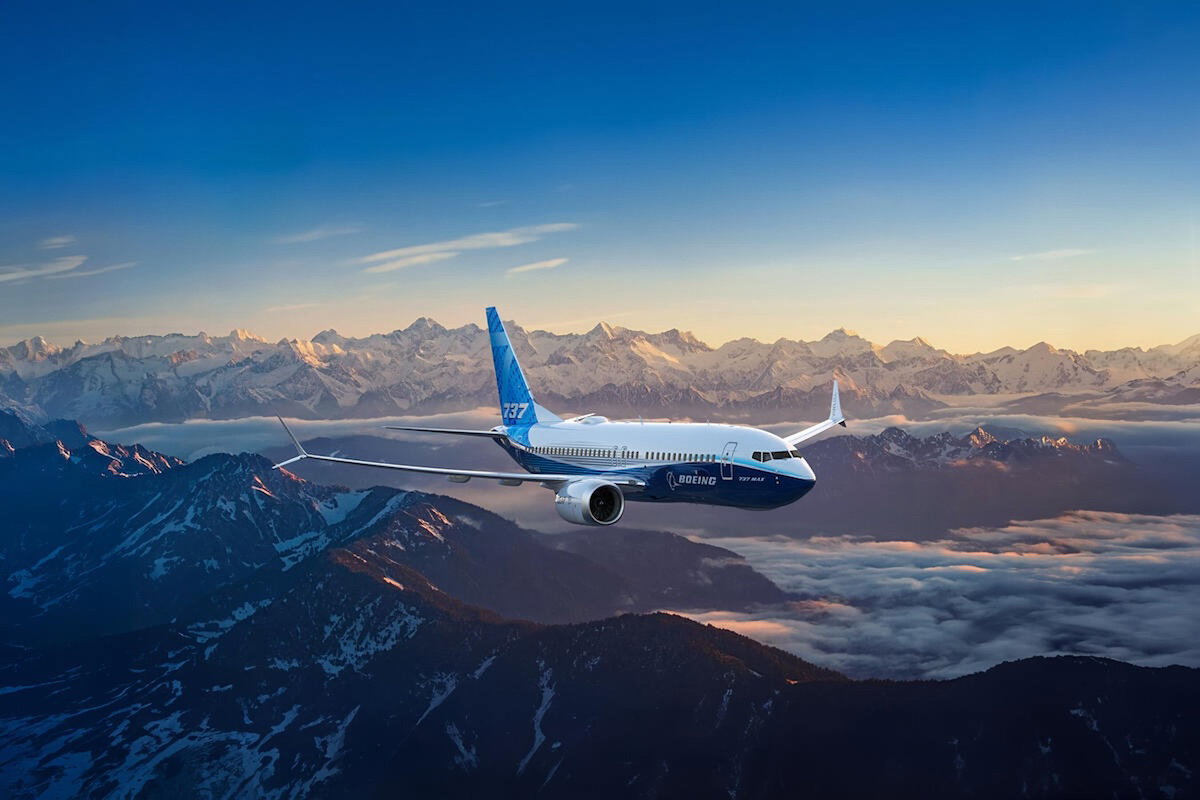
 onemileatatime.com
FAA Certifies Boeing 737 MAX 7: Great News For Southwest, And No One Else
The FAA has finally certified the Boeing 737 MAX 7, which is huge news for Southwest Airlines, which has 269 of these planes on order.
onemileatatime.com
Volerà da DioAnnuntio vobis gaudium magnum... Habemus 737 MAX-7!
FAA Certifies Boeing 737 MAX 7: Great News For Southwest, And No One Else
The FAA has finally certified the Boeing 737 MAX 7, which is huge news for Southwest Airlines, which has 269 of these planes on order.


Se lo dite voi....sono poi curioso di vedere se le compagnie aeree accetteranno i nuovi aerei prima del bug fix.
 aviationweek.com
The FAA will not require Boeing to update 737 MAX flight management system (FMS) software as a prerequisite for certifying the 737-10, despite an issue with the code that is in the process of being addressed.
The agency's decision, made by a panel of internal safety experts Oct. 2, alleviates concern that the 737-10 and recently certified 737-7 will face a mandatory update before entering service. The group determined an issue that can affect automated guidance during missed approaches is both apparent to pilots and manageable.
Still unclear is whether customers will accept the newest 737 MAX-family variants without software updates if the changes, which are in progress, are not ready before deliveries begin.
The panel, or Corrective Action Review Board (CARB), determined a software issue in certain Boeing 737 MAX flight computers “is not a safety concern,” the FAA said in a statement. The CARB came to the conclusion “because pilots retain full control of the aircraft and the indications to the flight crew are clear and unambiguous,” the agency added.
Boeing will issue a special bulletin detailing how to recognize and respond to the malfunction, which occurs when pilots change the programmed flight path when conducting a missed approach. In certain scenarios, the flight guidance system may transition from VNAV (vertical navigation) mode to a simpler, more rudimentary level of automation for pitch control, like level-change or vertical speed.
The FAA also plans to issue a special bulletin underscoring Boeing's instructions.
Boeing and software vendor GE Aerospace are working on an update to the FMS software, which is on Update (U) 14.1. While other 737 MAXs and 737 Next Generation variants have earlier versions, the current version is the only one compatible with the 737-7 and 737-10, which is nearing FAA approval.
Boeing learned of the issue in 2024 from WestJet, Reuters reported. The problem first appeared in U14.0 but went undetected.
The manufacturer analyzed the issue and determined that while it required fixing, it was not a flight-safety issue. Boeing revisited the problem over the summer following more customer reports. This time, it brought the issue to the FAA for a broader review.
The FAA reviewed Boeing's analysis and conducted a separate independent assessment. Ultimately, it reached the same conclusion as the manufacturer.
The issue is not how much risk the problem introduces, but its timing. Some pilots and human-factors experts expressed concern about adding workload during missed approaches that, while planned and briefed, can introduce stress and complexity.
One 737 operator ran simulator scenarios for pilots that re-created the VNAV-disengagement issue, a person with knowledge of the trials tells Aviation Week. The pilots, who were not briefed beforehand, managed the scenarios well, “but it took some work,” the person said.
Several customers, including 737-7 launch customer Southwest Airlines and early 737-10 customer United Airlines, have said they will not accept new aircraft with the flawed software. Deliveries of the 737-8 and -9 variants have continued, but Boeing is rolling back the software to an earlier version to satisfy customer concerns.
FAA Says Software Issue Will Not Stop Boeing 737-10 Certification | Aviation Week
The FAA will not require Boeing to update 737 MAX flight management system (FMS) software as a prerequisite for certifying the 737-10 because of a software flaw.
aviationweek.com
FAA Says Software Issue Will Not Stop Boeing 737-10 Certification
Sean Broderick October 03, 2026The FAA will not require Boeing to update 737 MAX flight management system (FMS) software as a prerequisite for certifying the 737-10, despite an issue with the code that is in the process of being addressed.
The agency's decision, made by a panel of internal safety experts Oct. 2, alleviates concern that the 737-10 and recently certified 737-7 will face a mandatory update before entering service. The group determined an issue that can affect automated guidance during missed approaches is both apparent to pilots and manageable.
Still unclear is whether customers will accept the newest 737 MAX-family variants without software updates if the changes, which are in progress, are not ready before deliveries begin.
The panel, or Corrective Action Review Board (CARB), determined a software issue in certain Boeing 737 MAX flight computers “is not a safety concern,” the FAA said in a statement. The CARB came to the conclusion “because pilots retain full control of the aircraft and the indications to the flight crew are clear and unambiguous,” the agency added.
Boeing will issue a special bulletin detailing how to recognize and respond to the malfunction, which occurs when pilots change the programmed flight path when conducting a missed approach. In certain scenarios, the flight guidance system may transition from VNAV (vertical navigation) mode to a simpler, more rudimentary level of automation for pitch control, like level-change or vertical speed.
The FAA also plans to issue a special bulletin underscoring Boeing's instructions.
Boeing and software vendor GE Aerospace are working on an update to the FMS software, which is on Update (U) 14.1. While other 737 MAXs and 737 Next Generation variants have earlier versions, the current version is the only one compatible with the 737-7 and 737-10, which is nearing FAA approval.
Boeing learned of the issue in 2024 from WestJet, Reuters reported. The problem first appeared in U14.0 but went undetected.
The manufacturer analyzed the issue and determined that while it required fixing, it was not a flight-safety issue. Boeing revisited the problem over the summer following more customer reports. This time, it brought the issue to the FAA for a broader review.
The FAA reviewed Boeing's analysis and conducted a separate independent assessment. Ultimately, it reached the same conclusion as the manufacturer.
The issue is not how much risk the problem introduces, but its timing. Some pilots and human-factors experts expressed concern about adding workload during missed approaches that, while planned and briefed, can introduce stress and complexity.
One 737 operator ran simulator scenarios for pilots that re-created the VNAV-disengagement issue, a person with knowledge of the trials tells Aviation Week. The pilots, who were not briefed beforehand, managed the scenarios well, “but it took some work,” the person said.
Several customers, including 737-7 launch customer Southwest Airlines and early 737-10 customer United Airlines, have said they will not accept new aircraft with the flawed software. Deliveries of the 737-8 and -9 variants have continued, but Boeing is rolling back the software to an earlier version to satisfy customer concerns.

Onestamente sono d’accordo con le FAA. Non vedo perché stoppare la certificazione, un problema di software a questo livello si può correggere piuttosto facilmente. I piloti che si sono trovati di fronte al problema, pur non avendo cognizione del problema, ve ne sono usciti pur impegnandosi, forse perché si aspettavano il classico GA. Se ne fossero stati a conoscenza, se la sarebbero cavata ancora più facilmente: threat, mitigation, job done.
Che poi le compagnie vogliano ricevere i velivoli già completamente operativi, non fa una piega.
Che poi le compagnie vogliano ricevere i velivoli già completamente operativi, non fa una piega.